Why Lot Clearing Requires a Professional Approach
Introduction: Lot Clearing Is the Foundation for Every Great Project

Whether you're building a home, expanding your backyard, or preparing commercial land for development, every successful construction project starts with the same critical first step: clearing the land.
But lot clearing is more than just cutting down trees or running a mower over a weedy patch. It involves a combination of strategy, equipment, experience, and safety protocols. Professional lot clearing ensures your land is prepped properly, minimizing delays, reducing risk, and meeting all legal requirements before building begins.
In this guide, we’ll explore why lot clearing should always be handled by trained professionals, what the process entails, common challenges in Michigan properties, and how to avoid costly mistakes that can derail your project before it starts.
What Is Lot Clearing?
Lot clearing refers to the process of removing trees, shrubs, brush, stumps, debris, and sometimes rocks or topsoil to prepare land for development or landscaping. It may also include light grading to level the site or make it accessible for future work.
Common lot clearing projects include:
- Preparing land for new construction (homes, garages, outbuildings)
- Creating access roads or driveways
- Expanding yards or outdoor living spaces
- Removing overgrowth from vacant or abandoned lots
- Clearing wooded areas for farming or pasture use
Depending on the size and condition of the land, clearing can take anywhere from a few hours to several days or weeks.
Why Lot Clearing Should Be Done by Professionals
Attempting to clear land yourself, especially on wooded or uneven terrain, can be dangerous, inefficient, and ultimately more expensive. Professional tree and land clearing crews bring the right combination of tools, training, and techniques to get the job done right the first time.
Here’s why it’s worth hiring experts:
1. Safety Hazards Are Real
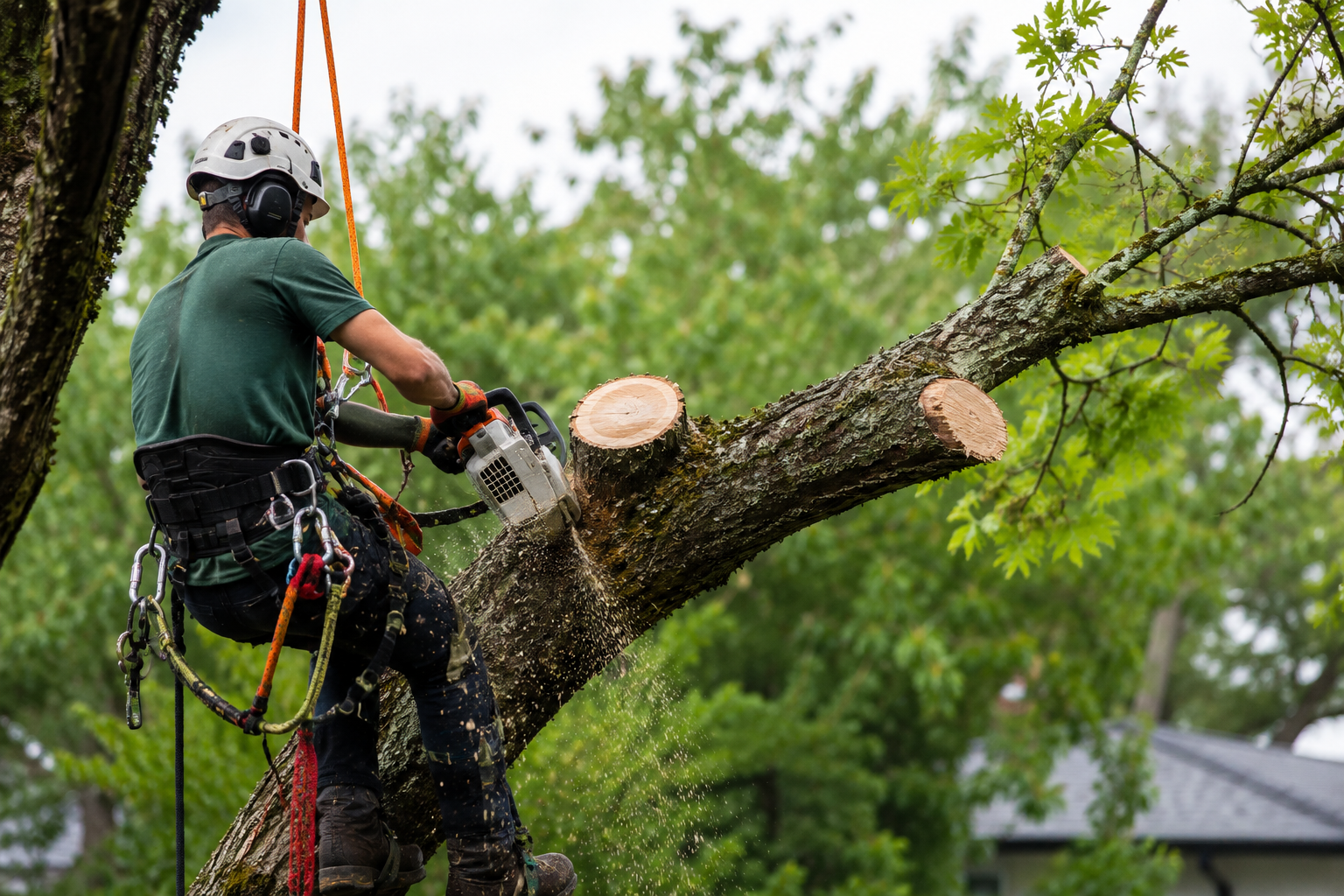
Clearing trees, brush, and stumps involves chainsaws, skid steers, excavators, and sometimes large commercial equipment.
Without training and safety gear, homeowners risk:
- Injuries from falling limbs or trees
- Equipment rollovers on uneven ground
- Strains, cuts, and falls
- Electrocution from hitting buried utilities or overhead lines
Professionals are trained in safe removal practices, OSHA standards, and job site risk management.
2. You May Need Permits or Inspections
In Michigan, especially in suburban areas like Shelby Township, you may need:
- Tree removal permits
- Land disturbance permits
- Soil erosion control plans
- Utility marking and clearance
Professional contractors understand local regulations and can help secure necessary approvals before work begins.
3. You Need the Right Equipment
Effective lot clearing often requires a combination of:
- Chainsaws and pole saws
- Skid steers or mini excavators
- Mulchers or brush hogs
- Stump grinders
- Wood chippers
- Dump trailers or haul-away vehicles
Professionals have access to this equipment and know how to use it safely and efficiently on a variety of terrains.
4. Time is Money
Clearing a lot by hand or with rental equipment may take days or weeks, while a trained crew can often finish in a fraction of the time. That saves money on labor, rental fees, and potential delays to your construction schedule.
What Does Professional Lot Clearing Include?
While each project is unique, most lot clearing services follow a general process:
Step 1: Site Evaluation
A professional will inspect the property to identify:
- Types and sizes of trees or vegetation
- Terrain challenges like slopes or wetlands
- Access points for equipment
- Potential obstacles (utilities, fences, structures)
They’ll also determine whether permits or special procedures are needed.
Step 2: Tree and Brush Removal
This includes:
- Felling trees and trimming limbs
- Clearing dense underbrush and vines
- Chipping or hauling away debris
- Selective tree retention if desired by the client
Crews use ropes, saws, and heavy equipment to manage tree falls safely and avoid damaging surrounding areas.
Step 3: Stump Removal or Grinding
Stumps can be ground down below grade or fully excavated depending on the site’s future use. Grinding is typically faster and sufficient for residential or landscaping projects.
Step 4: Debris Hauling
Wood chips, logs, branches, and brush are removed from the site unless you request to keep mulch or firewood. Many companies include disposal fees in their quotes.
Step 5: Optional Grading or Rough Leveling
If needed, crews can rough-grade the area to improve drainage, level slopes, or prepare for foundation work.
Special Considerations for Lot Clearing in Michigan
Clearing land in Michigan presents several region-specific challenges:
1. Seasonal Weather Conditions
Spring and fall are ideal for lot clearing, but Michigan’s weather is unpredictable. Snow, frozen ground, or heavy rain can delay work or create muddy, unsafe conditions. Professional teams know how to time and plan work around seasonal variables.
2. Clay Soils and Drainage
Many areas of southeastern Michigan have heavy clay soil, which affects drainage and may require additional grading. Professionals can spot these issues early and make recommendations.
3. Tree Protection Zones
Some municipalities have rules about preserving heritage or protected trees. Cutting down certain species may require special permits, or you may need to retain a percentage of canopy cover on a lot.
4. Wildlife and Environmental Impact
Clearing land may disturb habitats, especially near wetlands or wooded areas. Professionals can identify and work around nesting seasons, burrows, or other environmental concerns.
Common Mistakes to Avoid When Clearing a Lot
Trying to save money by doing it yourself or hiring unqualified help can result in:
- Unnecessary damage to trees you wanted to keep
- Improper tree felling, leading to injuries or damage
- Inadequate cleanup, leaving stumps, roots, or hazards
- Soil compaction or erosion from heavy equipment
- Code violations from unpermitted work
Investing in a reputable, experienced crew may cost more upfront but will protect your project timeline, safety, and property value.
Who Needs Lot Clearing Services?
Lot clearing isn’t just for large construction firms. Services are available for:
- Homeowners looking to reclaim overgrown yards
- Builders prepping lots for new homes or additions
- Developers clearing acreage for subdivisions
- Farms and rural properties removing old growth or brush
- Commercial property managers expanding parking or storage areas
Whether it’s one-quarter acre or five acres, the right team can scale services to match the job size.
Why Choose Family Tree Removal for Lot Clearing?
At Family Tree Removal, we bring the same precision, care, and expertise to lot clearing as we do to every tree service. Based in Shelby Township, we offer:
- Full-service clearing for residential and commercial properties
- Safe tree and stump removal
- Proper disposal and hauling of all debris
- Free estimates and on-site evaluations
- Local knowledge of soil, permitting, and seasonal challenges
We’re fully licensed and insured, with a track record of reliable service throughout Macomb County and surrounding areas.
Final Thoughts: Clear the Way for Your Project the Right Way
Clearing a lot may seem straightforward—but when you consider the risks, equipment, regulations, and physical demands involved, it’s clear why professional service is the smart choice.
Whether you're breaking ground on a new build or just tired of overgrown backyard space, a professional approach ensures that your land is cleared safely, efficiently, and ready for whatever comes next.
If you're planning a lot clearing project in Shelby Township or anywhere in Southeast Michigan, contact Family Tree Removal to schedule a free estimate and learn how we can help you move forward with confidence.