How Trees Affect Driveways, Sidewalks, and Hardscapes
Introduction: A Beautiful Tree Can Become a Costly Problem
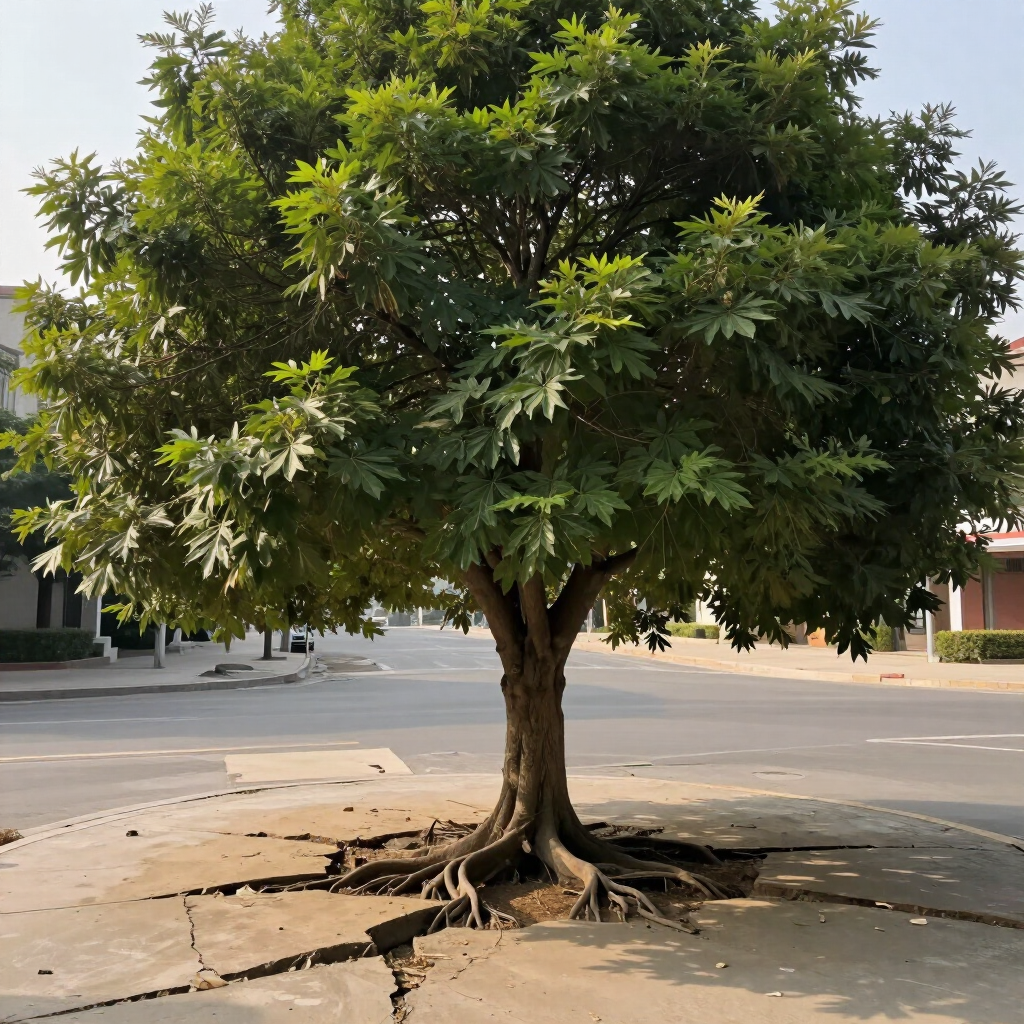
Mature trees bring shade, character, and value to a property—but if planted too close to your home’s infrastructure, they can also cause damage that’s expensive to repair. In Michigan, where freezing and thawing cycles already put stress on concrete, tree roots are a major contributor to cracks, heaving, and surface displacement in driveways, sidewalks, patios, and walkways.
Many homeowners are unaware that the source of their crumbling concrete is lurking just beneath the surface. Tree roots, especially from fast-growing or invasive species, can lift slabs, create trip hazards, and interfere with proper drainage. Left unaddressed, these issues can damage property value, increase liability, and even affect home insurance claims.
In this guide, we’ll explain how tree roots impact hardscapes, which trees are most likely to cause problems, what warning signs to look for, and how to protect your driveway and walkways without sacrificing your landscape’s beauty.
How Tree Roots Cause Damage to Concrete and Hardscapes
Contrary to common belief, roots don’t break through concrete—they exploit weaknesses.
Tree roots grow outward in search of water, oxygen, and nutrients, often traveling two to three times the diameter of the canopy. As they expand near the surface, they push against soil and structures. If there’s a crack, joint, or weak point in a sidewalk or driveway, roots can:
- Lift slabs or pavers
- Separate seams in concrete
- Create bulges or uneven walking surfaces
- Affect the slope and drainage of hardscapes
- Accelerate freeze/thaw damage in winter
Over time, this results in cracks, gaps, heaving, and even flooding near your home’s foundation.
Signs Your Trees Are Damaging Your Driveway or Sidewalk
Recognizing early signs of root-related hardscape damage can help you take action before the problem worsens.
Look for:
- Cracked or uneven concrete slabs
- Raised sections of sidewalk or patio
- Gaps between slabs that widen over time
- Pavers shifting or becoming loose
- Pooling water or poor drainage near tree roots
- Exposed roots breaking through the surface
If you notice any of these signs—especially in areas near older or large trees—it’s time to consult a tree care professional or landscape contractor to assess the root system.
Tree Species Most Likely to Cause Root Damage in Michigan
Certain species are more prone to damaging nearby structures due to their shallow, aggressive, or fast-growing root systems. In Michigan, the following trees are common culprits:
- Silver Maple – Extremely fast-growing with shallow, invasive roots
- Willow – Thrives in moist soil and will travel toward water lines or under hardscapes
- Cottonwood – Large roots that lift sidewalks and driveways easily
- American Elm – Roots can extend 50 feet or more and grow near the surface
- Boxelder – Weak wood and aggressive roots make it both a fall risk and a hardscape hazard
If your property includes any of these species within 10–15 feet of paved surfaces, you’re at a higher risk for root-related concrete damage.
Why Michigan Hardscapes Are Especially Vulnerable
Michigan’s climate contributes to the frequency and severity of hardscape damage caused by tree roots. Key factors include:
Freeze-Thaw Cycles
Concrete expands and contracts in winter as moisture inside small cracks freezes and melts. When roots are present beneath or near the slab, they create upward pressure that compounds with freeze-thaw damage.
Clay-Rich Soils
Southeastern Michigan, including areas like Shelby Township, has heavy, compacted soils that limit deep root growth. Trees adapt by growing wide, surface-level root systems—right where your sidewalks and driveways are poured.
Older Infrastructure
Many homes in the region were built decades ago, often with thinner concrete slabs and fewer expansion joints. These older materials are more vulnerable to pressure from expanding roots.
Preventing Tree Root Damage to Driveways and Sidewalks
If you’re planting new trees or managing existing ones, prevention is the best strategy. Here are proven techniques to avoid future damage:
1. Choose the Right Tree Species
Select trees with slower-growing, less aggressive roots. Options better suited to suburban yards include:
- Serviceberry
- Redbud
- Dogwood
- Japanese Maple
- Eastern Red Cedar
These trees typically grow to a manageable size and have less destructive root patterns.
2. Follow Safe Planting Distances
As a rule of thumb:
- Small trees (under 25 feet tall): Plant at least 10 feet from hardscapes
- Medium trees (25–50 feet): Plant at least 20 feet away
- Large trees (over 50 feet): Plant at least 30–50 feet from structures and paved areas
Remember, tree roots can extend well beyond the canopy—planning early saves major repair costs later.
3. Install Root Barriers
If you must plant a tree near concrete, install vertical root barriers between the planting site and the hardscape. These barriers redirect root growth downward and away from sensitive areas.
Barriers should be:
- At least 24–36 inches deep
- Made of durable plastic, metal, or reinforced fabric
- Installed at planting time or during root management work
4. Maintain Healthy Pruning and Watering Practices
Regular pruning and deep, infrequent watering encourage deeper root growth rather than shallow surface roots. A well-maintained tree is less likely to develop the kind of sprawling root system that damages infrastructure.
Managing Existing Damage from Tree Roots
If damage has already occurred, you have several options depending on the severity:
1. Root Pruning
Selective cutting of encroaching roots can reduce upward pressure. However, this must be done carefully—removing major roots can destabilize the tree or cause decline.
Only a certified arborist should perform root pruning, especially for mature trees.
2. Hardscape Repair or Replacement
In some cases, affected slabs may need to be lifted, roots trimmed, and new concrete poured with improved reinforcement or root barriers.
3. Tree Removal and Stump Grinding
If the tree is dead, unhealthy, or already causing extensive damage, removal may be necessary. After removal, stump grinding prevents further root spread and prepares the area for safe repair.
At Family Tree Removal, we offer full removal and stump grinding services with minimal disruption to your yard or driveway.
When to Call a Professional
If you're unsure whether a tree is affecting your hardscapes—or you're seeing signs of damage—it's best to get an expert evaluation. A local tree care professional can:
- Assess the risk based on species and proximity
- Recommend preservation vs. removal options
- Perform safe root pruning or removals
- Coordinate with hardscape contractors if repairs are needed
Delaying action often means greater repair costs down the road.
Final Thoughts: Protect Both Your Trees and Your Hardscapes
A healthy landscape should include both thriving trees and solid, safe surfaces. With proper planning, placement, and maintenance, it’s entirely possible to enjoy both—without one damaging the other.
In Michigan, where trees grow fast and weather adds stress to concrete, staying ahead of root-related issues is essential. Whether you're planning a new landscape, managing old trees, or dealing with lifting pavement, working with a tree service that understands the local environment makes all the difference.
If you’re dealing with trees near your driveway, patio, or walkways in Shelby Township or nearby areas, contact Family Tree Removal for a professional assessment. We’ll help you find the safest and most cost-effective way to protect your property long-term.