Tree Trimming Schedules by Season in Michigan
Introduction: Timing Is Everything When It Comes to Tree Trimming
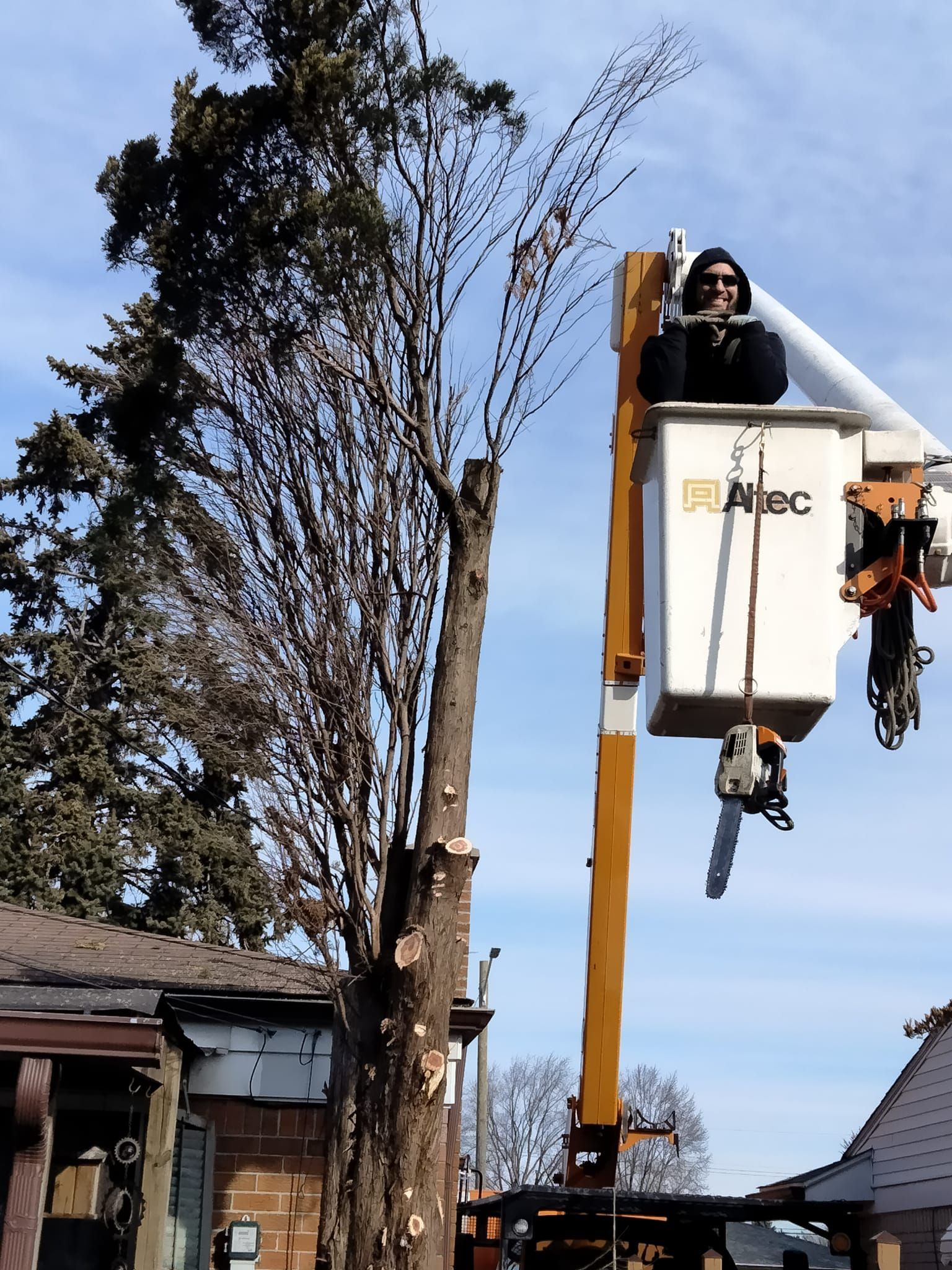
Tree trimming isn’t just about cutting back overgrown branches—it’s about doing it at the right time. In Michigan, with its cold winters, wet springs, and hot summers, the best time to trim or prune trees depends heavily on the season and the species.
Pruning at the wrong time can lead to stress, disease, or poor regrowth. But when done strategically, seasonal trimming improves your tree’s health, reduces safety risks, and encourages strong, attractive growth.
In this blog, we’ll break down the ideal tree trimming schedule for Michigan homeowners, explaining what types of trimming are appropriate in each season and how to plan your maintenance year-round.
Why Seasonal Tree Trimming Matters
Each season affects a tree differently. Tree growth, dormancy, sap flow, and vulnerability to pests all change as the seasons shift.
Trimming at the right time allows the tree to:
- Heal faster
- Grow in a more stable structure
- Resist disease and insects
- Use energy efficiently
For homeowners in places like Shelby Township, where winters can be harsh and summers humid, getting the timing right is key to long-term tree health.
Winter (Late November – March): The Best Time for Most Trimming
Dormant season pruning is generally considered the best time to trim most trees in Michigan.
Why Winter Trimming Works:
- Trees are dormant, which reduces sap loss and stress
- Insect and disease activity is minimal, lowering infection risk
- Leafless branches make the tree structure easier to see
- Clean cuts heal quickly in spring as growth resumes
This is the ideal season for:
- Structural pruning of young trees
- Removing dead or weak limbs
- Trimming deciduous trees like oak, maple, and ash
- Reducing overall canopy size without overstressing the tree
Exceptions: Avoid pruning spring-flowering trees like dogwood, magnolia, or redbud in winter if you want to preserve blossoms.
Safety Bonus:
Winter trimming is also safer for your home. Removing dead limbs before snow and ice accumulate helps prevent storm damage.
Spring (April – Early June): Light Pruning and Flowering Tree Care
Spring is a time of rapid growth—and that means your trees are using a lot of energy. While it’s not the ideal time for heavy cuts, light pruning is okay if done carefully.
What to Trim in Spring:
- Early removal of winter-damaged limbs
- Shaping fast-growing species (e.g., silver maple)
- Cleaning up ornamental or flowering trees after blooming
Spring is also the time to monitor:
- Leaf health
- Bud development
- Signs of disease or pest infestation
Note: Avoid major pruning of trees like oak or elm during spring to reduce the risk of diseases such as oak wilt and Dutch elm disease, which are spread by insects active during this time.
Summer (June – August): Corrective Pruning and Hazard Removal
In summer, your trees are in full leaf. While heavy trimming isn’t recommended, targeted summer pruning can be useful for managing risks or redirecting growth.
When to Trim in Summer:
- Removing broken or low-hanging limbs near walkways
- Addressing limbs growing toward power lines or rooftops
- Cutting back suckers or water sprouts from the base or trunk
- Trimming fruit trees to increase airflow and sunlight
Summer is also the time to watch for: - Heat stress or drought damage
- Insect activity (e.g., borers, aphids, caterpillars)
- Overgrowth that limits air movement in dense canopies
Important: Avoid pruning large limbs unless absolutely necessary, as trees are more vulnerable to sap loss, sunscald, and pests during peak growth periods.
Fall (September – November): A Cautious Approach
Fall may seem like a good time to get trees ready for winter, but it’s generally not the best time for major pruning.
Why? Because:
- Trees are starting to go dormant and may not heal properly
- Cuts made in fall are slower to seal, increasing the risk of decay
- Fungal spores are more active in damp autumn conditions
What’s Okay in Fall:
- Removing clearly dead or dangerous limbs
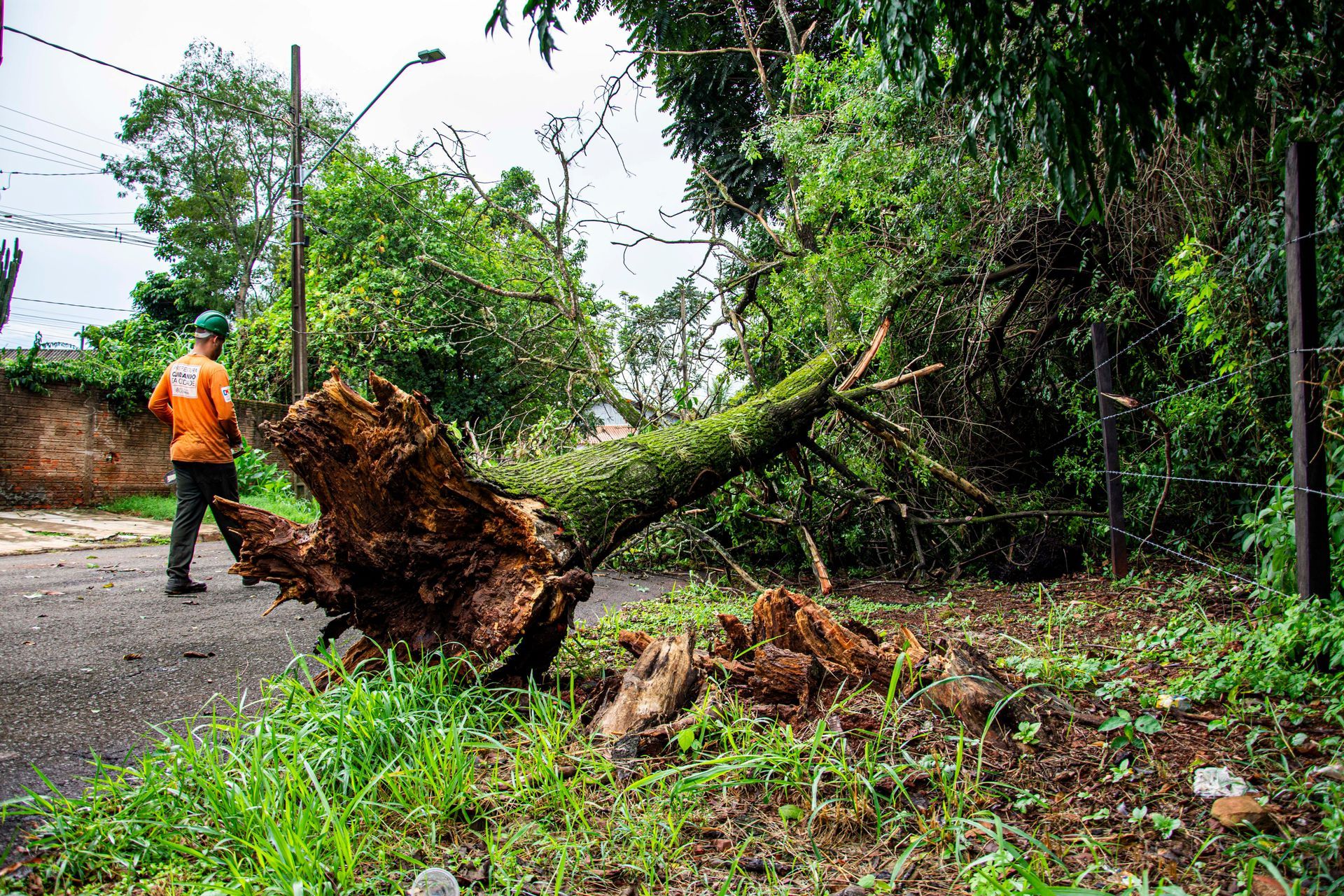
- Trimming storm-damaged branches
- Light shaping of evergreens
- Cleaning up after summer storms
If you must trim in fall, keep cuts minimal and avoid pruning trees vulnerable to cold damage.
Tree-Specific Trimming Schedules for Michigan Species
Some trees are more sensitive to timing than others. Here's a guide to common Michigan trees and when they should be trimmed:
| Tree Species | Best Time to Trim | Notes |
|---|---|---|
| Oak | Winter (Jan–Feb) | Avoid trimming April–October due to oak wilt risk |
| Maple | Late Winter | May bleed sap in spring; harmless but messy |
| Elm | Late Winter | Prune only during dormancy to avoid Dutch elm disease |
| Pine & Spruce | Late Spring | Trim new growth (candles) to control shape |
| Apple & Fruit Trees | Late Winter | Improves fruit production and shape |
| Dogwood | After Blooming (Late Spring) | Avoid winter cuts to preserve flowers |
| Locust | Late Winter to Early Spring | Prune before active growth |
Signs Your Tree Needs Trimming (Regardless of Season)
While timing is important, safety always comes first. If your tree is showing signs of damage, disease, or structural risk, trimming may be necessary even outside the ideal window.
Watch for:
- Cracked, hanging, or split limbs
- Branches rubbing against your roof or siding
- Trees leaning after storms
- Dead limbs with no foliage in season
- Obstructed driveways, walkways, or utility lines
If you’re unsure whether it’s safe to wait, consult a local tree service for a professional evaluation.
How to Plan a Seasonal Tree Care Calendar
To stay ahead of problems and keep your trees healthy year-round, consider building a seasonal tree maintenance plan.
Winter (Jan–Mar)
- Structural pruning
- Hazardous limb removal
- Stump grinding or tree removals
Spring (Apr–Jun)
- Light shaping of flowering trees
- Fertilizing or soil amending
- Pest monitoring
Summer (Jul–Aug)
- Corrective trimming
- Monitoring for drought and pests
- Watering deep-rooted trees
Fall (Sep–Nov)
- Cleanup of storm damage
- Leaf raking and disease prevention
- Planning for winter pruning
Keeping a basic log of what was trimmed and when can help you manage care more easily and anticipate future needs.
Why Hire a Professional Tree Trimming Service
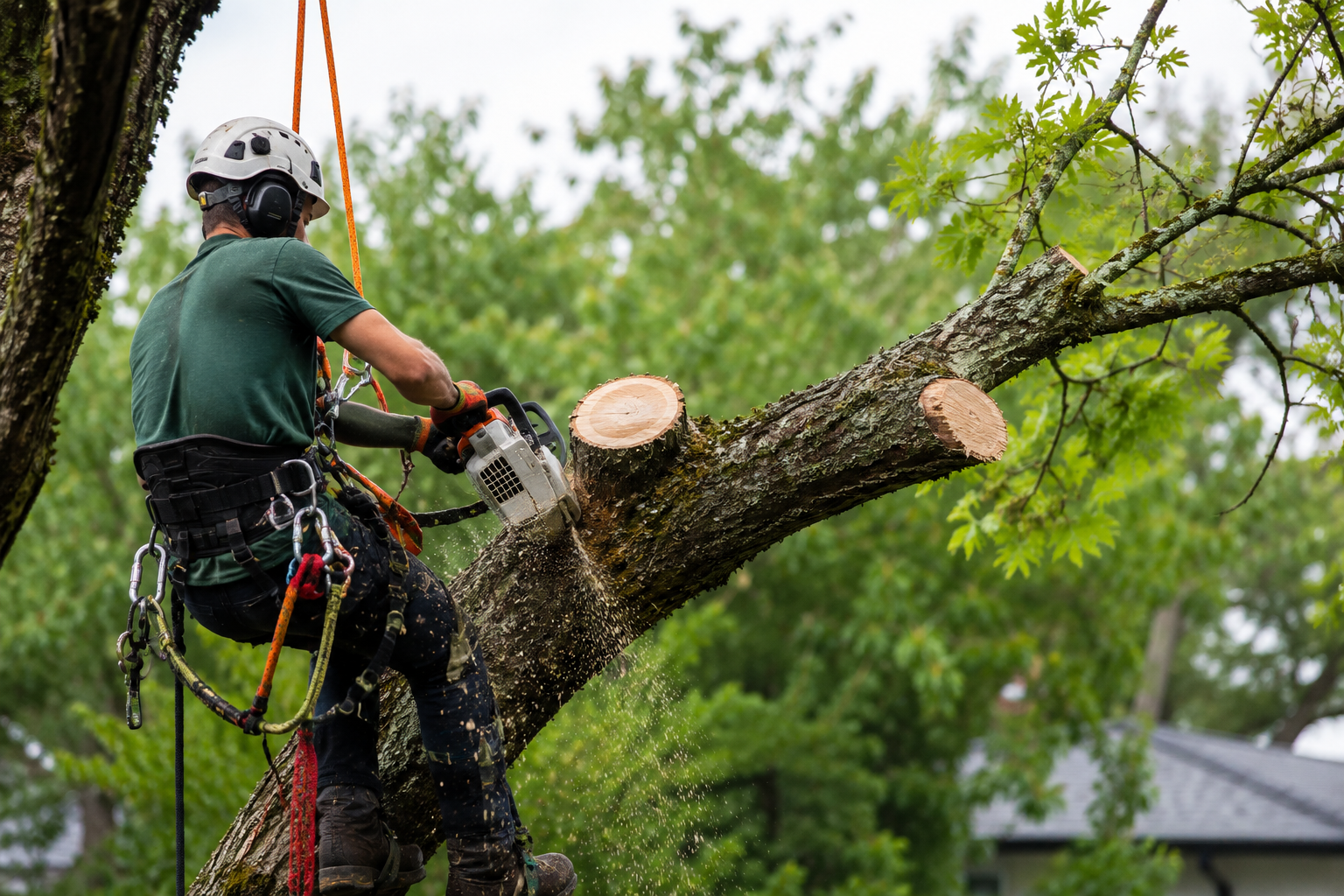
While light trimming and dead limb removal can be done by some homeowners, professional trimming is safer, more precise, and more effective.
Experienced crews provide:
- Knowledge of species-specific timing
- Safe climbing and equipment use
- Clean, correct cuts that promote healing
- Storm preparation trimming
- Pruning that aligns with local regulations
At Family Tree Removal, we serve Shelby Township and surrounding areas with year-round trimming services designed to keep your trees safe, attractive, and strong in every season.
Final Thoughts: Trim Smarter, Not Just Harder
Tree trimming isn’t about cutting as much as possible—it’s about cutting at the right time, for the right reasons. In Michigan, seasonal changes and regional tree species mean your trimming schedule should be thoughtful, planned, and tailored to your property’s needs.
By aligning your trimming with the natural growth cycle, you protect your trees, improve safety, and enhance your landscape’s beauty. Whether you're looking to prevent storm damage, improve shape, or preserve a valuable shade tree, timing is key—and local expertise makes all the difference.