What to Expect During a Professional Tree Removal Service
Introduction: Tree Removal Is More Than Just Cutting Down a Tree
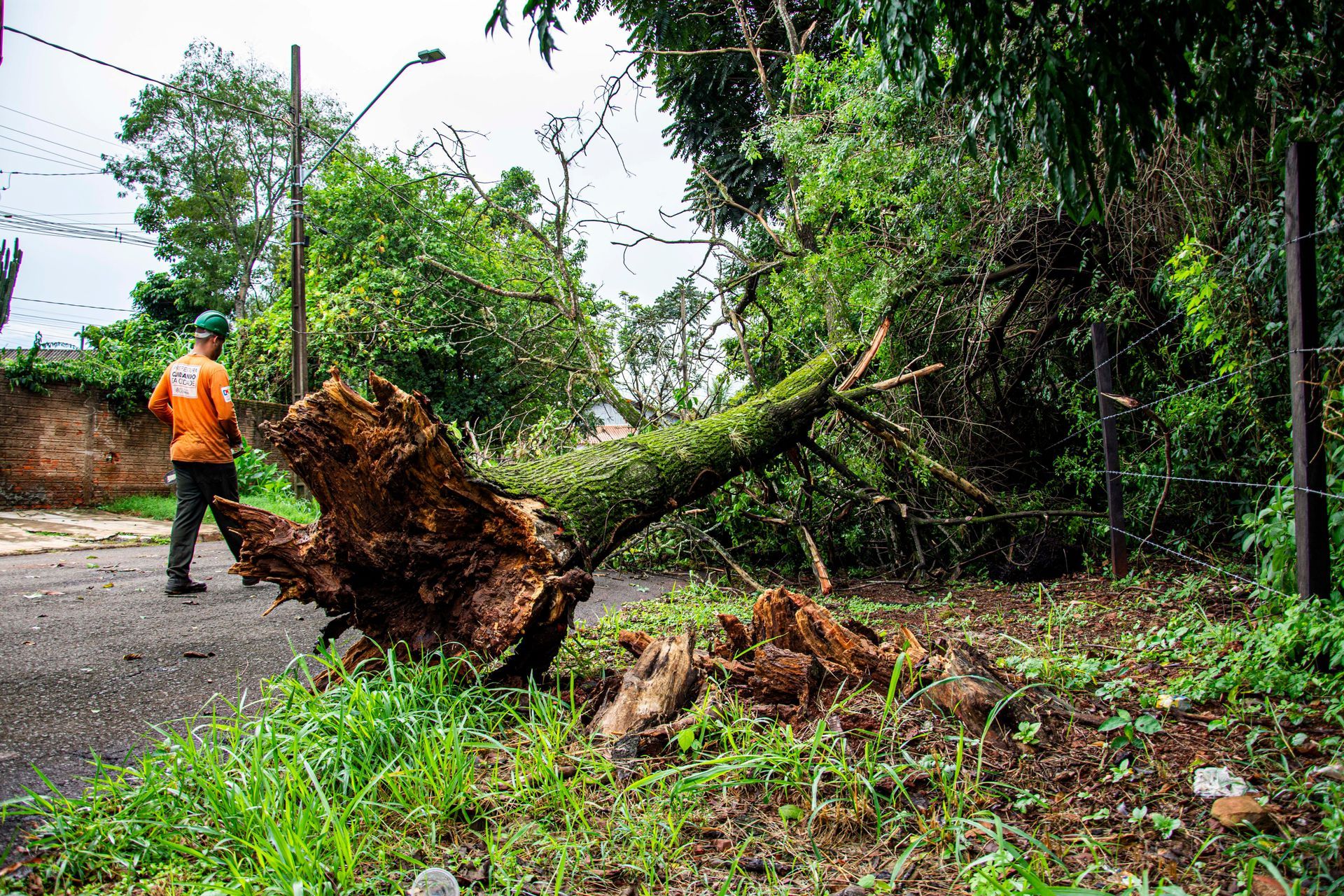
Whether you're dealing with a dead tree, a storm-damaged trunk, or a tree growing too close to your home, the decision to remove it is not always easy. Once you’ve made that call, the next step is understanding what a professional tree removal service actually involves.
Tree removal is a technical, multi-step process that requires training, equipment, and careful planning—especially in neighborhoods with nearby homes, power lines, or landscaping. While every job is different depending on tree size, location, and risk, there’s a general process you can expect.
In this blog, we’ll explain the key steps of a professional tree removal service, how to prepare your property, what happens during the removal itself, and what comes after. Whether you’re in Shelby Township or a nearby Michigan community, this guide will help you know what to expect from start to finish.
Step 1: The On-Site Evaluation and Estimate
Before any work begins, the process starts with a site visit and estimate. A qualified tree removal company will schedule a time to inspect:
- The tree’s size, species, and condition
- Proximity to buildings, fences, power lines, or roads
- Accessibility for equipment
- Ground conditions and slope
- Any hazards like decay, cavities, or leaning
This evaluation helps determine:
- The safest removal method
- What equipment will be required (crane, bucket truck, rigging gear)
- Time and labor involved
- Whether a permit is needed (depending on location or local ordinance)
After assessing the site, you’ll receive a written estimate that outlines the work to be done, the timeline, and the cost. Make sure the company is licensed and insured before approving the project.
Step 2: Scheduling and Preparation
Once you approve the estimate, the company will schedule the removal based on availability and weather. They may also provide instructions for preparing your property.
You may be asked to:
- Move vehicles from the driveway or street
- Secure pets indoors
- Remove outdoor furniture or fragile items near the tree
- Notify neighbors if access to shared driveways or yards is needed
If a permit is required in your area (such as for protected trees or trees near the street), the company should handle it or guide you through the process.
Step 3: Equipment Arrival and Site Setup
On the day of removal, the crew will arrive with necessary equipment. Depending on the job, this may include:
- Bucket trucks or lifts
- Ropes and rigging gear
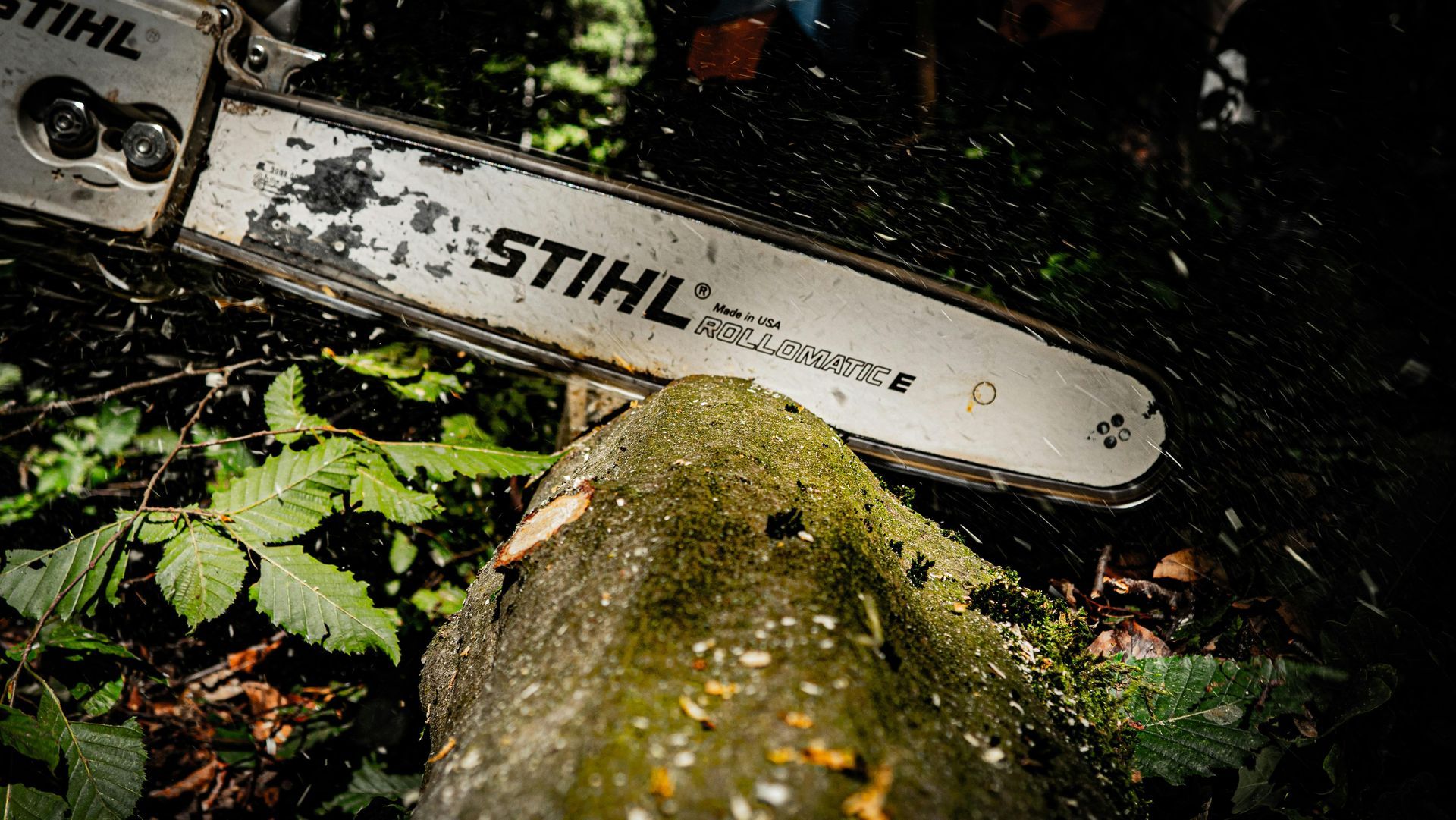
- Chainsaws and pole saws
- Wood chippers
- Mini skid steers or loaders
- Safety cones and signage for traffic control
The team will assess conditions and confirm the removal plan before setting up. Safety is always the top priority—especially in residential neighborhoods with nearby structures or foot traffic.
Step 4: Tree Removal Process
There are two primary methods of professional tree removal: straight felling and sectional dismantling.
A. Straight Felling (for open areas)
If there’s enough space and the tree is healthy and upright, the crew may safely cut it at the base and guide it to fall in one direction. This is more common in open fields, large lots, or rural areas.
B. Sectional Dismantling (common in suburban yards)
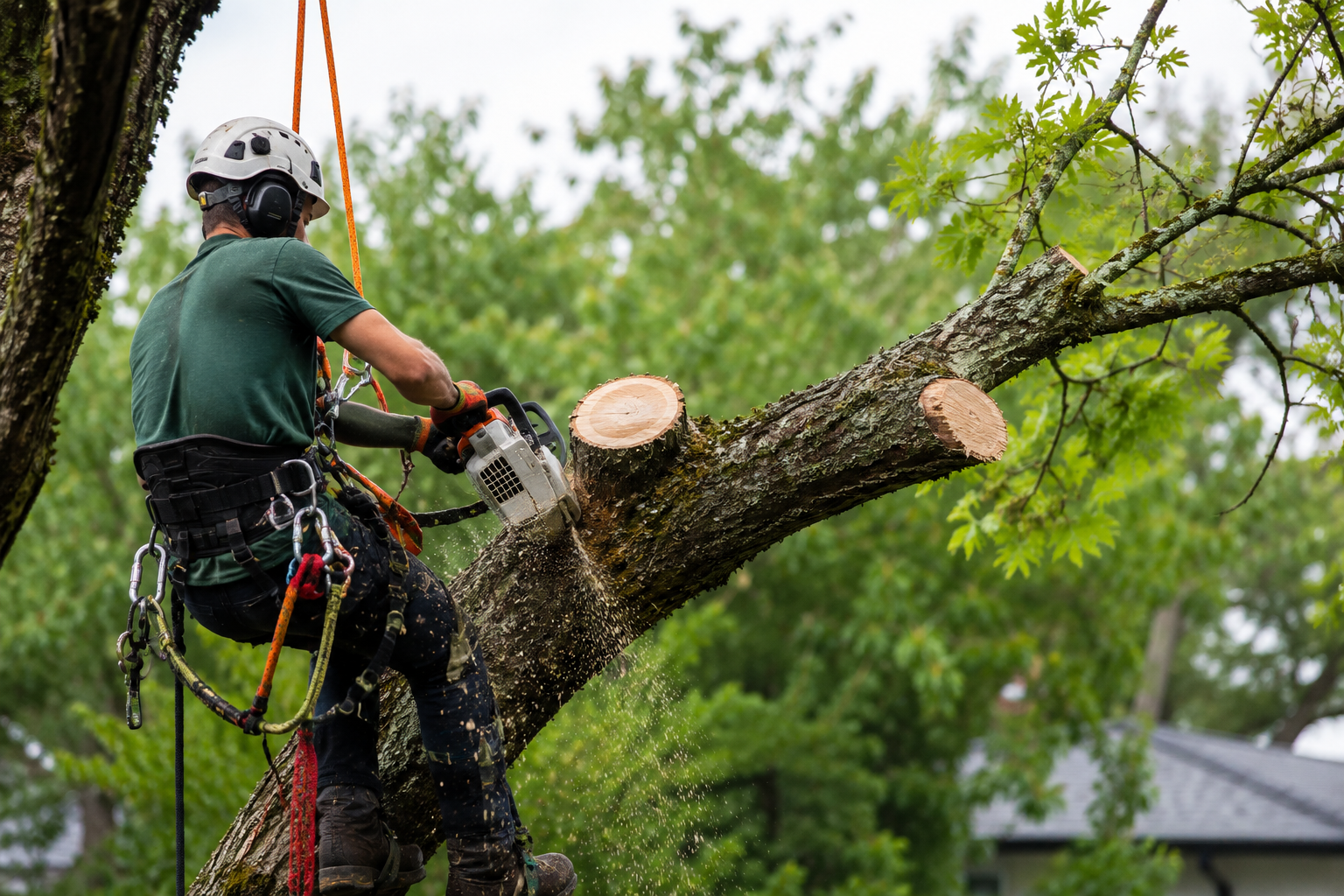
In most neighborhoods like Shelby Township, trees are too close to homes or fences to be felled whole. In these cases, the tree is removed section by section, often starting with the crown (top branches) and working down to the trunk.
- Workers use a bucket truck or climb with harnesses and ropes
- Each branch is cut and lowered by rope to avoid damage
- Large limbs and trunk sections are cut into manageable pieces
- The base of the tree is removed last
Sectional removal is safer and allows for better control when space is limited.
Step 5: Limb and Wood Removal
After the tree is taken down, the next step is dealing with the debris. Professional services typically include:
- Feeding branches and smaller limbs into a wood chipper
- Stacking large wood pieces for firewood or hauling them away
- Cleaning up sawdust, twigs, and loose material
- Raking and blowing the work area
Be sure to clarify in advance whether wood will be removed, stacked, or left for your use. If you’d like to keep the wood chips for landscaping or mulch, ask the team beforehand.
Step 6: Stump Grinding (Optional, But Recommended)
Unless otherwise specified, most tree removal services do not include stump removal by default. However, most companies offer stump grinding as an add-on service.
Stump grinding:
- Removes the stump 4 to 6 inches below ground level (or deeper upon request)
- Leaves the area level and ready for replanting, grass, or landscaping
- Prevents regrowth and reduces pest risks
Stump grinding is especially important if the tree was near your lawn, garden, or driveway. Without it, you’re left with a rotting stump that can become a tripping hazard or attract insects.
Step 7: Final Cleanup and Inspection
After the removal and any stump grinding, the team will:
- Perform a thorough cleanup of the work area
- Inspect for any damage or leftover debris
- Provide care tips for the area (e.g., how to reseed grass or improve soil)
- Answer any final questions you may have
Some companies offer before-and-after photos or written verification for insurance purposes if the removal was storm-related or safety-driven.
How Long Does Tree Removal Take?
The length of time depends on several factors:
- Small tree in open space: 1–2 hours
- Medium tree near structures: 3–4 hours
- Large or hazardous tree with climbing and rigging: Full day or longer
Stump grinding may be done on the same day or scheduled separately depending on equipment availability.
Cost Factors to Expect
Tree removal costs can vary widely based on:
- Tree height and trunk diameter
- Condition (dead, diseased, leaning)
- Proximity to structures or power lines
- Access (can equipment reach the site?)
- Need for stump grinding or wood hauling
As a rough range:
- Small tree: $300–$600
- Medium tree: $600–$1,200
- Large tree: $1,200–$2,500+
Always request a detailed estimate and confirm what’s included—especially when comparing companies.
What to Look for in a Professional Tree Removal Service
To ensure a safe, smooth, and reliable experience, look for:
- Licensed and insured providers
- Experience with local conditions in Michigan
- Certified arborists for complex or hazardous jobs
- Positive customer reviews
- Transparent pricing and contracts
- Clean-up included in the scope of work
A professional crew will take time to answer your questions, explain risks, and leave your property better than they found it.
Final Thoughts: Tree Removal Without the Stress
Having a tree removed can feel like a big project—but when done by experienced professionals, it doesn’t have to be stressful. From the initial inspection to the final cleanup, a qualified tree service should communicate clearly, protect your property, and make sure the job is done right.
At Family Tree Removal, we specialize in safe, efficient tree removals for homeowners throughout Shelby Township and surrounding areas. Whether your tree is dead, storm-damaged, or just in the wrong place, we’re here to provide reliable service you can count on.