How Trees Impact Home Energy Efficiency
Introduction: Trees Offer More Than Beauty
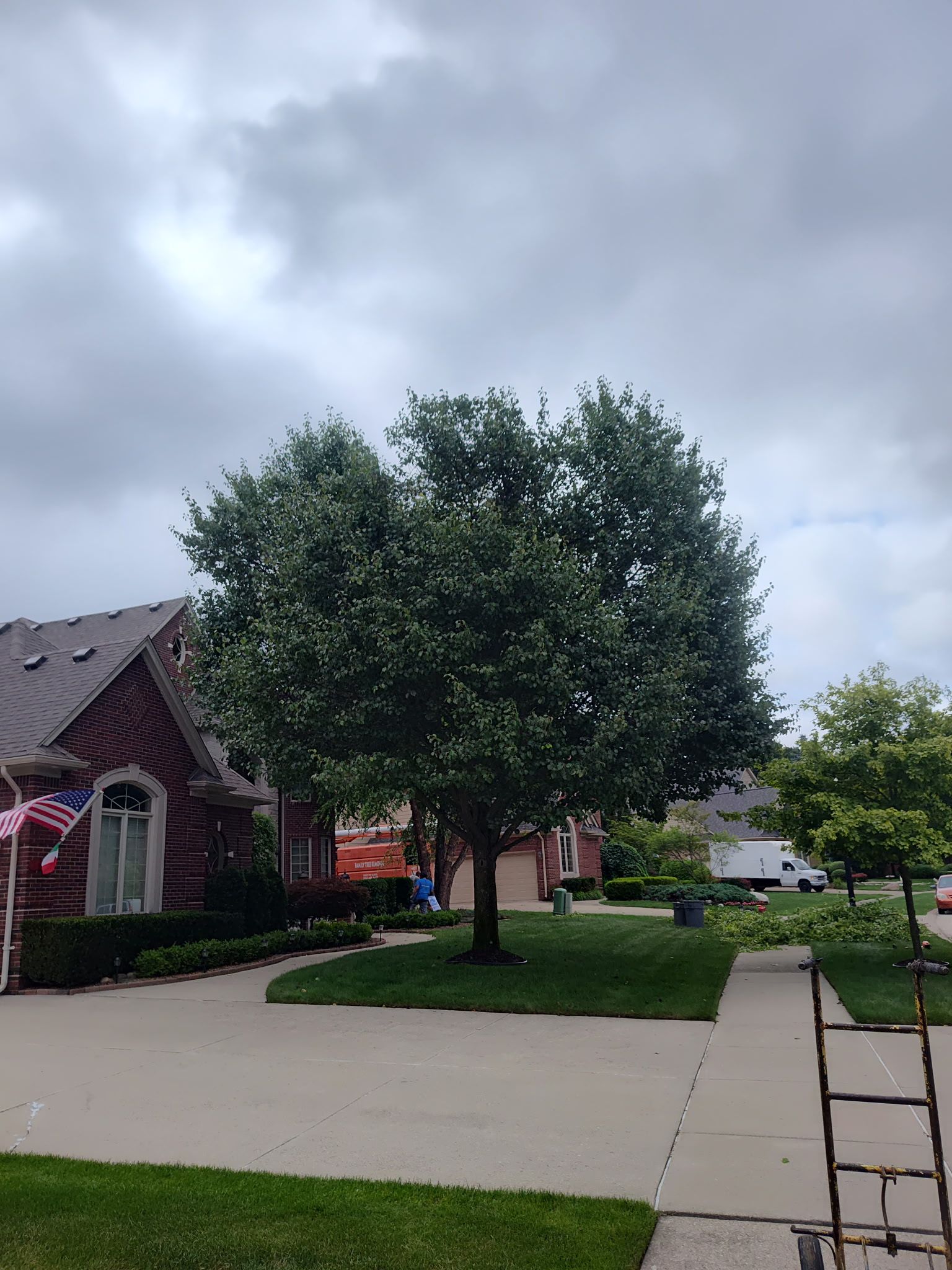
When most homeowners think about improving energy efficiency, their first thought is usually insulation, windows, or HVAC upgrades. But there’s another natural and cost-effective solution that’s often overlooked—your trees.
Well-placed, healthy trees are not only beautiful and environmentally friendly—they also serve as natural climate regulators. In Michigan, where homeowners face both humid summers and cold, snowy winters, strategically placed trees can help reduce heating and cooling costs, increase comfort, and even extend the life of your home’s exterior.
In this blog, we’ll explore how trees impact home energy efficiency, how to maximize their benefits, and why smart tree care is part of any long-term strategy to reduce utility bills and protect your property.
The Energy Benefits of Trees: How They Work
Trees help regulate temperature and environmental exposure in two primary ways:
- Shade and cooling effects during warm months
- Windbreaking and insulation effects during cold months
Let’s take a closer look at each.
Cooling Your Home with Tree Shade in the Summer
During a typical Michigan summer, your air conditioner may run for hours a day, especially when outdoor temperatures climb into the 80s or 90s. One of the biggest contributors to indoor heat is solar radiation—sunlight that hits your roof, windows, and walls and heats them up.
Trees provide a natural solution to this problem through shade and transpiration.
1. Blocking Direct Sunlight
Deciduous trees (those that shed leaves in the winter) are ideal for summer cooling. When planted on the south and west sides of your home, they block the hottest afternoon sun and reduce the amount of heat that penetrates windows and roofs.
- A single mature shade tree can lower surrounding temperatures by 2 to 9 degrees Fahrenheit
- Shading your air conditioner unit can improve its efficiency by 10% or more
- Shaded windows experience up to 50% less heat gain than those in full sun
2. Evaporative Cooling through Transpiration
Trees also cool the air around them through a process called transpiration, where water evaporates from the leaves and reduces surrounding air temperature. This effect can make your yard—and the immediate area around your home—feel significantly cooler.
Reducing Heating Costs in Winter with Windbreaks
Michigan winters are long, cold, and often windy. Without protection, cold air can penetrate walls, seep through windows, and cause drafts that increase heating demand. That’s where trees—particularly evergreens—come in.
1. Creating Windbreaks
Windbreaks are rows or clusters of trees planted to block prevailing winter winds, usually from the north or northwest. By reducing wind speed near your home, windbreaks:
- Decrease heat loss through walls and windows
- Lower wind chill around your house
- Reduce fuel consumption for heating
The U.S. Department of Energy reports that a well-designed windbreak can cut winter heating bills by up to 30% in northern climates.
2. Strategic Evergreen Placement
Unlike deciduous trees, evergreens retain their foliage year-round. Planted on the north and west sides of a home, evergreens serve as living insulation by slowing wind and acting as a thermal buffer.
Good options for Michigan include:
- Eastern white pine
- Norway spruce
- Arborvitae
- Douglas firm
Energy Efficiency by the Numbers
A few statistics help underscore the power of trees as energy-saving assets:
- A properly placed tree can save a typical household
$100–$250 annually in energy costs
- The
shade from one mature tree equals the cooling power of 10 room-sized air conditioners running for 20 hours a day
- Homes with adequate tree cover may experience
10–25% reductions in cooling costs
- Proper windbreaks can lower wind speed by up to
60%, drastically reducing heat loss
When multiplied over decades, the savings from tree-related energy efficiency can be thousands of dollars—without requiring major renovations or expensive equipment.
Best Tree Placement for Maximum Energy Efficiency
The effectiveness of trees as energy-savers depends heavily on where and how they are planted. Here are general guidelines for tree placement:
For Cooling in Summer:
- Plant deciduous trees on the
south and southwest sides of the home to block the strongest sun angles
- Shade
windows, patios, and HVAC units with nearby trees or shrubs
- Use
wide-canopied trees like red maple, sugar maple, or honey locust for broad shade coverage
For Warmth in Winter:
- Plant evergreen trees on the
north and northwest sides of the home to block cold winter winds
- Use dense species like Norway spruce or white pine for strong wind resistance
- Avoid planting tall trees too close to the southern side if they might block winter sun from entering windows
For best results, combine both evergreen and deciduous trees in a layout that considers sun paths, prevailing winds, and property slope.
Mistakes to Avoid When Planting for Energy Efficiency
While trees can help lower energy use, poor planning or improper planting can have the opposite effect. Common mistakes include:
- Planting too close to the home – This can lead to root damage, blocked gutters, or future removal expenses
- Blocking winter sunlight – Tall evergreen trees on the southern side can prevent beneficial sun exposure in colder months
- Failing to consider growth size – Trees that outgrow their space may create problems or lose effectiveness
- Neglecting pruning or maintenance – Overgrown trees can block airflow or drop limbs on the roof
Consulting with a tree care professional during planting or landscape design helps avoid costly missteps.
Long-Term Benefits Beyond Energy Savings
Energy efficiency is just one of many reasons to incorporate trees into your property’s long-term planning. Other benefits include:
- Improved air quality – Trees absorb carbon dioxide and release oxygen
- Increased property value – Homes with mature landscaping sell faster and for more
- Stormwater control – Trees absorb rainwater and reduce runoff
- Noise reduction – Tree lines act as sound buffers near roads or neighbors
- Wildlife habitat – Native species support pollinators and birds
By improving your home’s energy profile and contributing to the health of your local ecosystem, trees offer unmatched return on investment.
Maintaining Trees for Ongoing Energy Efficiency
To ensure your trees continue providing benefits, proper maintenance is essential.
- Annual pruning promotes healthy growth and structural safety
- Mulching around the base helps retain soil moisture and suppress weeds
- Monitoring for disease or pests prevents premature loss of shade
- Removing dead or hazardous limbs protects roofs and gutters
- Professional evaluations every few years help you adjust for changes in sun angles or tree maturity
Family Tree Removal offers full tree maintenance services in Shelby Township and surrounding Michigan communities to help homeowners get the most out of their landscapes.
Final Thoughts: Your Trees Are Part of Your Energy Plan
Trees are more than just ornamental. When selected, placed, and maintained properly, they become an integral part of your home’s energy strategy—cooling you in summer, protecting you in winter, and saving you money year after year.
If you’re planning to plant new trees or want help improving the energy impact of your existing landscape, Family Tree Removal is here to help. From tree selection to strategic trimming, our experienced team works with you to create a property that’s beautiful, efficient, and built to thrive in Michigan’s four-season climate.