The Difference Between Tree Topping and Proper Pruning
Introduction: Why How You Trim a Tree Matters More Than You Think
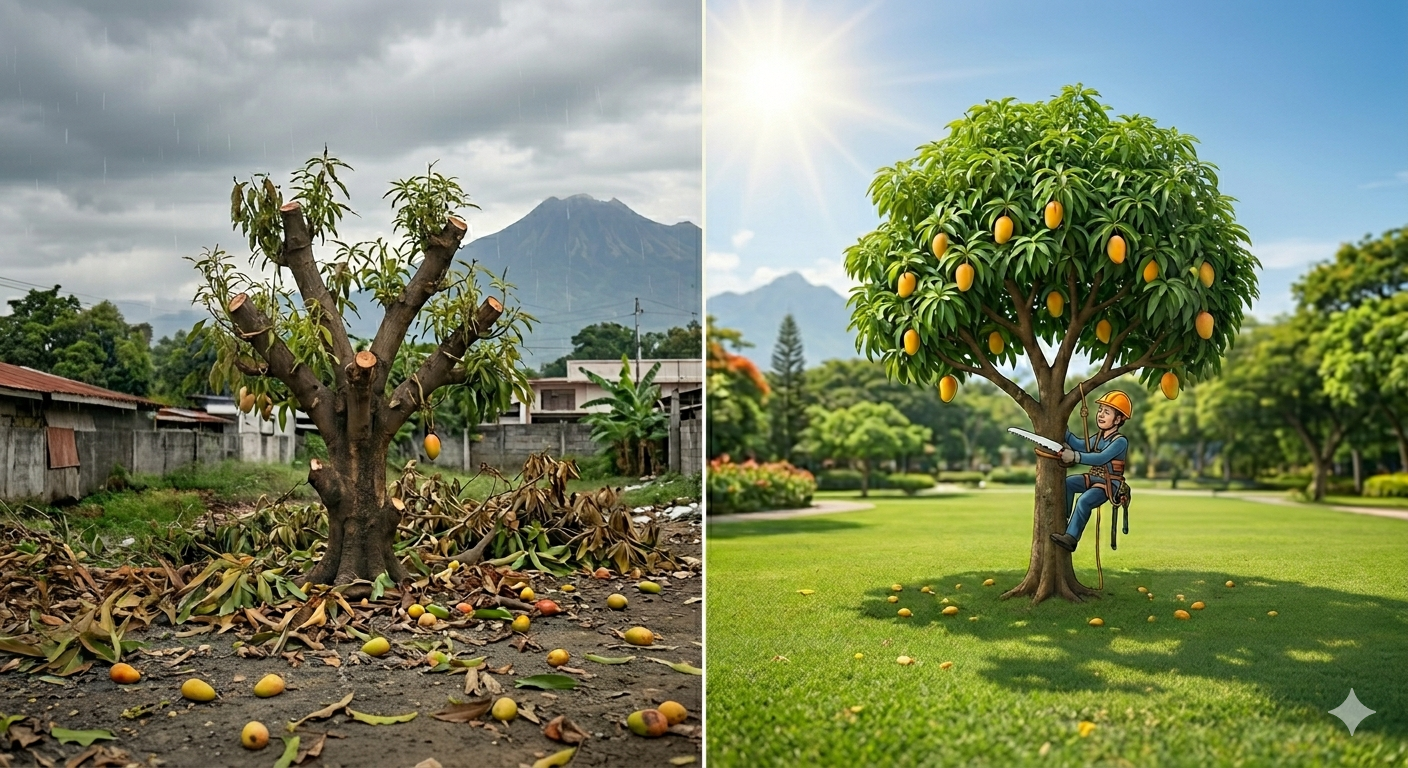
If you’ve ever looked up at an overgrown tree and thought, “I’ll just cut the top off,” you’re not alone. Many property owners in Michigan see tree topping as a fast, simple way to reduce size, remove overgrowth, or prevent storm damage. But while it may offer short-term visual relief, tree topping is one of the most harmful practices in tree care.
When done incorrectly, topping weakens a tree, shortens its lifespan, and increases the risk of failure. On the other hand, proper pruning improves tree health, shape, and safety without sacrificing structure.
In this post, we’ll walk through the differences between tree topping and proper pruning, explain why topping is discouraged by arborists, and help you make informed decisions about managing your trees the right way.
What Is Tree Topping?
Tree topping refers to the practice of cutting back large branches or the entire top of a tree to stubs or lateral limbs that are not large enough to sustain future growth. It’s often done to:
- Reduce tree height quickly
- Remove large overhanging limbs
- Control perceived risk of storm damage
- Manage trees that interfere with views or utility lines
Unfortunately, while the results may look neat at first, topping removes too much of the tree’s canopy at once and leads to severe long-term consequences.
What Is Proper Pruning?
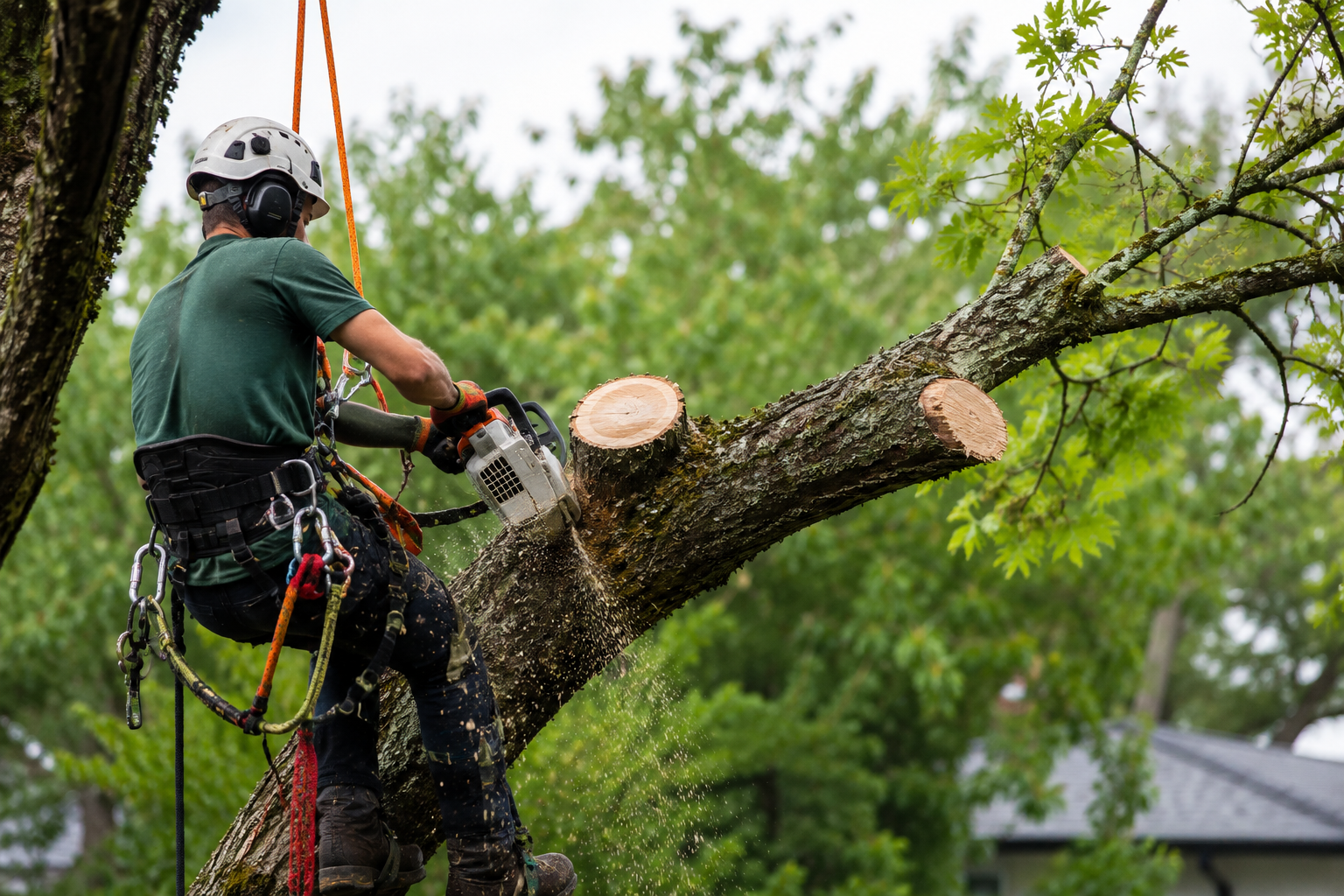
Proper pruning is the selective removal of certain branches or limbs based on the tree’s growth pattern, health condition, and intended shape. The goal is to enhance structure and longevity without shocking the tree or interfering with its natural systems.
Professional pruning techniques focus on:
- Removing dead, diseased, or damaged limbs
- Improving airflow and sunlight penetration
- Shaping the canopy while maintaining its balance
- Reducing structural risks in a controlled manner
Proper pruning is typically performed by certified arborists or experienced tree professionals who understand the biology and structure of different tree species.
Key Differences Between Topping and Pruning
Let’s break down the main differences between these two methods:
| Aspect | Tree Topping | Proper Pruning |
|---|---|---|
| Goal | Reduce size quickly | Improve health, safety, and structure |
| Technique | Cutting branches to stubs | Selective limb removal at correct growth points |
| Impact on Tree | Shocks the system, encourages weak regrowth | Supports natural growth, long-term stability |
| Risk of Decay | High | Low when done correctly |
| Tree Health | Severely compromised | Enhanced over time |
| Aesthetic Result | Unsightly stubs, uneven regrowth | Natural, balanced appearance |
Why Tree Topping Harms Trees
Despite being a common DIY method, tree topping has serious negative consequences.
1. It Removes Too Much of the Canopy at Once
A tree’s canopy plays a vital role in photosynthesis. When you remove more than 25–30% of the crown at once—common with topping—you drastically reduce its ability to produce food. The tree goes into survival mode and begins sending out weak, fast-growing shoots (called water sprouts) to compensate.
These shoots are poorly attached, structurally unstable, and susceptible to breakage.
2. It Exposes the Tree to Disease and Decay
Large topping cuts rarely heal cleanly. Instead, they create open wounds that invite:
- Fungi
- Insects
- Bacteria
This can lead to internal rot and structural decline. Once decay sets in, even previously healthy trees can become hazardous.
3. It Encourages Weak Regrowth
The regrowth after topping isn’t natural or healthy. Water sprouts grow rapidly, but they’re thin, poorly attached, and often cluster around the cut site. These limbs can easily snap in wind or ice, creating an ongoing hazard.
4. It Reduces Structural Stability
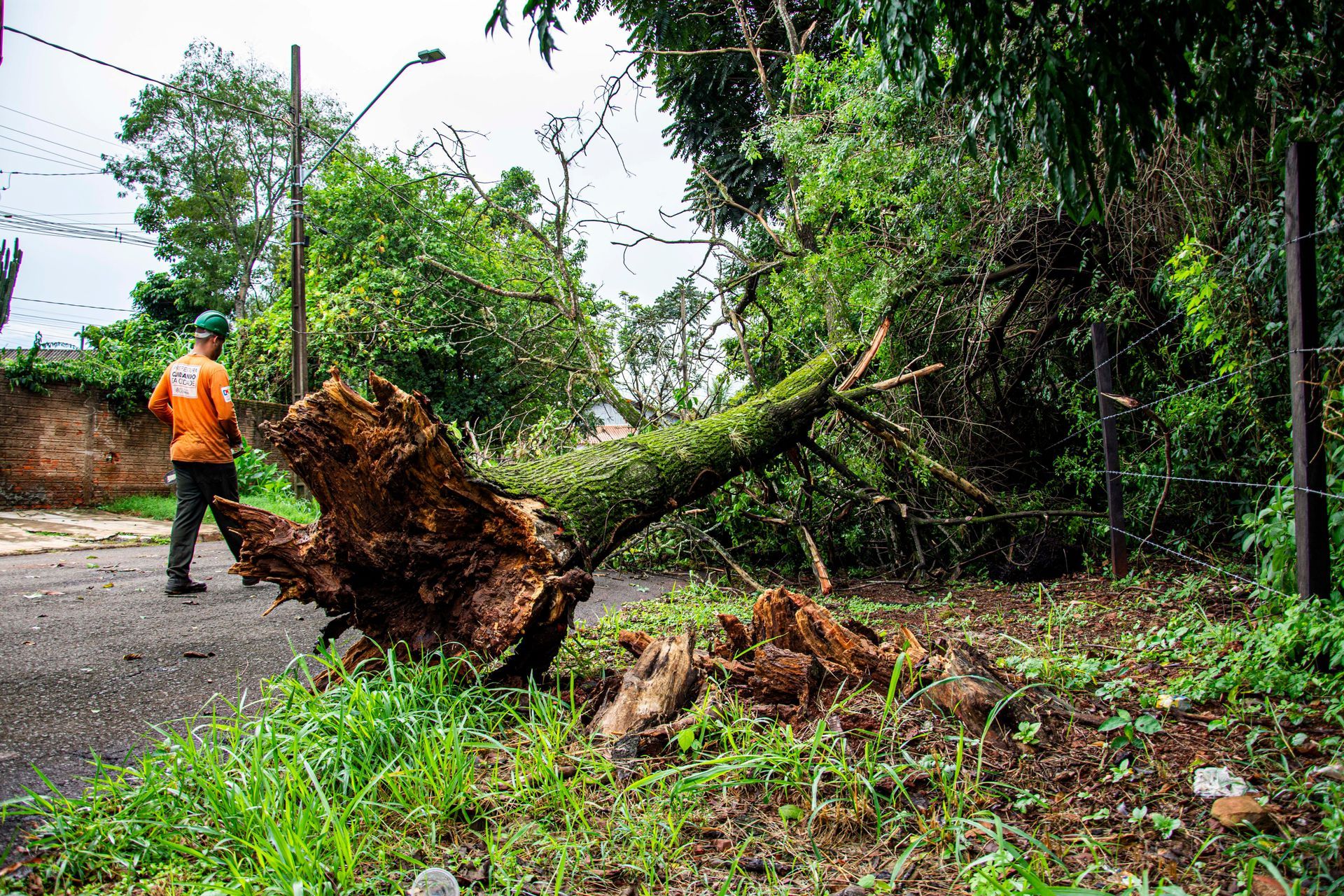
By removing large limbs and entire sections of the crown, topping destroys the natural architecture that keeps a tree balanced. Over time, this imbalance increases the risk of tree failure—especially during storms or under snow loads.
5. It Shortens Tree Lifespan
Because topping leads to stress, disease, and structural decline, it significantly shortens a tree’s life expectancy. What might have been a 75-year tree could die within 10–15 years of repeated topping.
Why Proper Pruning Is the Better Choice
While topping may appear faster and cheaper, proper pruning provides long-term value. When done correctly, pruning:
1. Promotes Healthy Growth
By removing dead or crossing branches and thinning the canopy in strategic spots, pruning allows better light penetration and air movement. This strengthens the tree from the inside out.
2. Enhances Safety
A properly pruned tree is less likely to drop limbs or fail during storms. Arborists focus on identifying and addressing structural weaknesses before they become dangerous.
3. Preserves Natural Form
Pruning maintains the tree’s natural beauty and shape. Rather than butchering the crown, it guides growth in a way that looks balanced and intentional.
4. Reduces Future Maintenance
Trees that are pruned properly on a regular schedule are easier to maintain over time. You avoid costly removals, emergency storm cleanup, and structural damage.
When Homeowners Attempt Topping
Many property owners in Michigan still request topping out of habit or misinformation. Common reasons include:
- Fear of large limbs falling during storms
- Belief that the tree has outgrown its space
- Desire to improve sunlight for gardens or grass
- Misinformation passed down from previous owners
However, most of these concerns can be addressed through better alternatives—without harming the tree.
Better Alternatives to Tree Topping
If your tree is growing too tall or appears unsafe, consider these better options:
1. Crown Reduction
This method selectively reduces the height or spread of a tree by pruning back to lateral branches. It’s a careful, controlled way to reshape without damaging the tree’s structure.
2. Thinning the Canopy
Removing select interior limbs reduces wind resistance and storm risk without altering the height or main structure.
3. Removing Problem Limbs
Instead of cutting the whole top off, remove specific limbs that are overhanging structures, blocking views, or interfering with power lines.
4. Tree Replacement
If a tree is genuinely too large for its space, removal and replacement with a smaller, more manageable species may be a smarter long-term solution.
Local Considerations for Michigan Homeowners
In areas like Shelby Township and across Macomb County, harsh winters, lake-effect snow, and summer storms all influence how and when trees should be pruned.
Consider the following tips:
- Avoid heavy pruning in late summer, which can stimulate new growth before winter
- Schedule structural pruning in late fall or winter while the tree is dormant
- Hire a local tree service familiar with regional species and weather conditions
Avoid services that offer “topping” as a standard solution. This is a sign that the provider is either untrained or unwilling to follow arborist best practices.
How Family Tree Removal Handles Pruning
At Family Tree Removal, we never top trees. Instead, we:
- Evaluate each tree’s health, structure, and location
- Use ANSI A300 standards for pruning cuts
- Focus on long-term stability and safety
- Explain your options clearly, including whether pruning or removal is best
Our team serves Shelby Township and surrounding areas with honest guidance and professional service rooted in decades of experience.
Final Thoughts: Choose the Right Approach for a Healthy Tree
Topping may seem like a fast fix, but it causes more harm than good. Weak regrowth, disease, and poor structure are the price paid for an impulsive cut. Proper pruning, on the other hand, ensures your tree stays strong, beautiful, and safe—season after season.
If you’re concerned about a tree’s size, safety, or structure, trust an expert to guide you through the best path forward. Whether that’s trimming, crown reduction, or replacement, the right approach will keep your property protected and your landscape thriving.