When Tree Roots Become a Problem in Your Yard
Introduction: Not All Tree Root Growth Is Beneficial
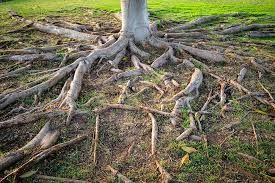
Tree roots serve a critical role in keeping trees healthy and stable. They draw water and nutrients from the soil, anchor the tree in place, and help regulate yard drainage. But when roots grow in the wrong direction—or grow too aggressively—they can cause serious problems for homeowners.
In Michigan, where clay-heavy soils, mature neighborhoods, and seasonal weather patterns are common, tree root issues are a frequent concern. Whether they’re cracking your driveway, lifting your sidewalk, or interfering with underground utilities, problem roots can create expensive and frustrating damage.
This article explores the signs of problematic root systems, why these issues occur, and what homeowners in Shelby Township and surrounding areas can do to prevent or manage them—without sacrificing the health of every tree in the yard.
Understanding Tree Root Growth
Before diving into problems, it’s important to understand how tree roots naturally grow. There are two primary types:
- Structural roots: These are large, thick roots near the base of the tree. They provide stability and spread horizontally within the top 12–24 inches of soil.
- Feeder roots: These smaller roots spread outward and downward, collecting water and nutrients. They often extend well beyond the canopy of the tree.
Contrary to popular belief, tree roots do not grow deep underground. Most root systems remain shallow, expanding laterally across large distances in search of moisture and nutrients. That’s why even trees planted far from a structure can eventually cause surface-level damage.
Common Signs of Problematic Tree Roots
It’s not always easy to spot root damage early—but knowing what to look for can help you take action before the situation worsens.
1. Cracked or Uneven Sidewalks
Lifting, heaving, or cracking in sidewalks is one of the most common signs of root interference. As structural roots grow beneath concrete slabs, they push the surface upward, creating trip hazards and liability issues.
2. Driveway Buckling or Shifting
Driveways—especially those made of concrete or pavers—can crack or shift if tree roots grow beneath them. Over time, this not only becomes an eyesore but may reduce vehicle access or increase wear on your tires.
3. Foundation Movement or Cracks
While rare, tree roots can impact your home’s foundation in two main ways:
- Direct contact (pushing against the slab or walls)
- Indirect damage (altering soil moisture and causing shifting)
This is especially true in Michigan’s clay-heavy soils, which expand and contract with moisture levels.
4. Blocked or Damaged Drain Lines
Feeder roots often grow into cracks or joints in underground pipes, particularly older clay or metal systems. Over time, this can clog sewer lines, slow drainage, or even cause pipe collapse.
5. Thinning Lawn or Garden Beds
If you notice plants or grass near a tree failing to thrive, it may be because the tree’s roots are stealing all available moisture and nutrients. Some species are especially aggressive and outcompete everything around them.
Tree Species Known for Invasive or Problematic Roots
Certain trees are more likely to cause issues due to fast growth, shallow root systems, or aggressive spread. Michigan homeowners should be cautious with:
- Silver Maple – Fast-growing and known for shallow, invasive roots
- Willow – Roots spread aggressively and seek water sources like pipes
- Poplar and Cottonwood – Extensive root systems that lift surfaces
- Bradford Pear – Weak branching and root systems prone to surface damage
- American Elm – Once popular, now often removed for infrastructure damage
If your property has any of these species, regular root assessment is recommended—especially if planted near driveways or foundations.
What Causes Tree Roots to Become a Problem?
Roots typically become an issue when they’re planted too close to structures, competing for limited resources, or forced to adapt due to poor soil conditions.
Key causes include:
- Poor planting location (less than 10–15 feet from structures)
- Overwatering or water pooling near foundations
- Compacted or clay-heavy soil pushing roots to the surface
- Old, cracked sewer lines attracting roots
- Lack of root barrier installation
While the root system may take years to cause visible damage, early planning and maintenance can prevent long-term issues.
Managing Tree Root Problems: What Homeowners Can Do
If you’re already seeing signs of root-related damage—or want to prevent it from occurring—there are several management strategies to consider.
1. Root Pruning
Selective root pruning can reduce pressure near driveways, walkways, or structures. However, it must be done carefully to avoid destabilizing the tree.
- Only prune roots smaller than 2 inches in diameter
- Avoid cutting roots on more than one side of the tree
- Prune during the tree’s dormant season (late fall or winter)
- Always consult a certified arborist before cutting any major roots
Improper root pruning can kill the tree or cause it to fall in high winds.
2. Installing Root Barriers
Physical root barriers can redirect root growth away from sensitive areas. These are typically installed between the tree and the structure or along property lines.
Barriers are especially helpful when planting new trees near driveways or foundations. For existing trees, barriers may be installed after careful root mapping.
3. Regrading and Drainage Control
Redirecting water away from structures or surfaces can help prevent roots from seeking moisture in the wrong places. Regrading the slope of your yard or installing French drains may reduce root-related pressure.
4. Selective Tree Removal
In some cases, removal is the only viable solution—especially if:
- The tree is already causing structural damage
- It’s too close to a building or utility line
- Root pruning would destabilize the tree
- The species is fast-growing and high-risk
Tree removal should always be followed by stump grinding and, if necessary, soil repair or drainage improvements.
Preventing Tree Root Problems When Planting
The best way to avoid root damage is to plan ahead when planting new trees.
Best practices include:
- Choosing species with non-invasive root systems
- Planting trees at least 15–20 feet away from structures
- Using root barriers when planting near hardscapes
- Avoiding trees near septic tanks, sewer lines, and underground utilities
Native species are often better adapted to Michigan soils and less likely to cause root issues. Trees like sugar maple, white oak, and serviceberry offer beauty and stability with more manageable roots.
When to Call a Professional
If you notice signs of damage—or aren’t sure whether your tree’s roots are a threat—it’s time to call a qualified tree care professional. A local expert can:
- Inspect visible root systems and assess potential damage
- Recommend safe pruning or containment methods
- Help you weigh removal vs. preservation options
- Coordinate with plumbers, landscapers, or utility providers as needed
At Family Tree Removal, we provide full root assessments, tree removal, stump grinding, and consultation for homeowners across Shelby Township and nearby Michigan communities.
Final Thoughts: Don’t Wait Until Roots Cause Expensive Damage
Tree roots are out of sight—but they should never be out of mind. They can support your landscape or silently undermine it. Left unchecked, they may crack driveways, block drains, or weaken your home’s foundation.
Being proactive about root management—through regular inspections, smart planting, and timely intervention—can save you thousands in repair costs and keep your yard healthy and functional.
If you suspect root problems or are planning a new landscape project, don’t wait. Reach out to a knowledgeable tree service for guidance and a safer, healthier property.