Understanding Tree Removal Permits in Michigan
Introduction: Why Tree Removal Permits Matter
Many homeowners assume that because a tree is on their property, they can remove it whenever they choose. In Michigan, that assumption is not always correct. While private property rights are strong, tree removal laws vary by city, township, zoning type, and environmental designation.
Failing to understand local permit requirements can result in fines, stop-work orders, required replanting, or legal disputes with municipalities or homeowners associations. Whether you’re removing a hazardous tree, clearing land for construction, or simply improving your yard, knowing when a permit is required is an essential first step.
This guide explains how tree removal permits work in Michigan, when they are typically required, when they are not, and how homeowners in areas like Shelby Township can avoid costly mistakes.
Do You Always Need a Permit to Remove a Tree in Michigan?
The short answer is no—but there are important exceptions.
Michigan does not have a single, statewide tree removal permit system. Instead, tree regulations are handled at the local level, meaning cities, townships, counties, and even homeowners associations can all have their own rules.
In many residential situations, homeowners are allowed to remove trees without permits. However, permits are commonly required when trees meet certain criteria or when the property falls under specific zoning or environmental protections.
Situations Where Tree Removal Permits Are Commonly Required
1. Protected or Landmark Trees
Some municipalities designate certain trees as protected due to their:
- Size (diameter at breast height)
- Species
- Age
- Historical or environmental value
Removing a protected tree without approval can lead to fines or mandatory replacement planting.
2. Trees in Wetlands or Environmental Protection Zones
Michigan has strict environmental protections for wetlands and natural resources. If a tree is located in or near:
- Regulated wetlands
- Floodplains
- Conservation easements
- Drainage corridors
You may need approval from local authorities or the Michigan Department of Environment, Great Lakes, and Energy (EGLE) before removal.
3. New Construction or Land Development
Tree removal associated with:
- New home construction
- Additions
- Driveways
- Lot clearing
- Commercial development
Often requires permits as part of a site plan review. Many municipalities require tree preservation plans or replacement trees for development projects.
4. Commercial and Multi-Family Properties
Commercial properties, apartment complexes, and mixed-use developments are typically subject to stricter landscaping and tree preservation ordinances than single-family homes.
Permits are frequently required even for routine removals on these properties.
5. Trees in Public Right-of-Way Areas
If a tree is located:
- Between the sidewalk and the street
- Near a road or utility easement
- On city-owned property
It is usually not considered your tree to remove. A permit or city approval is almost always required.
Situations Where a Permit Is Often NOT Required
While rules vary by location, permits are typically not required in the following cases:
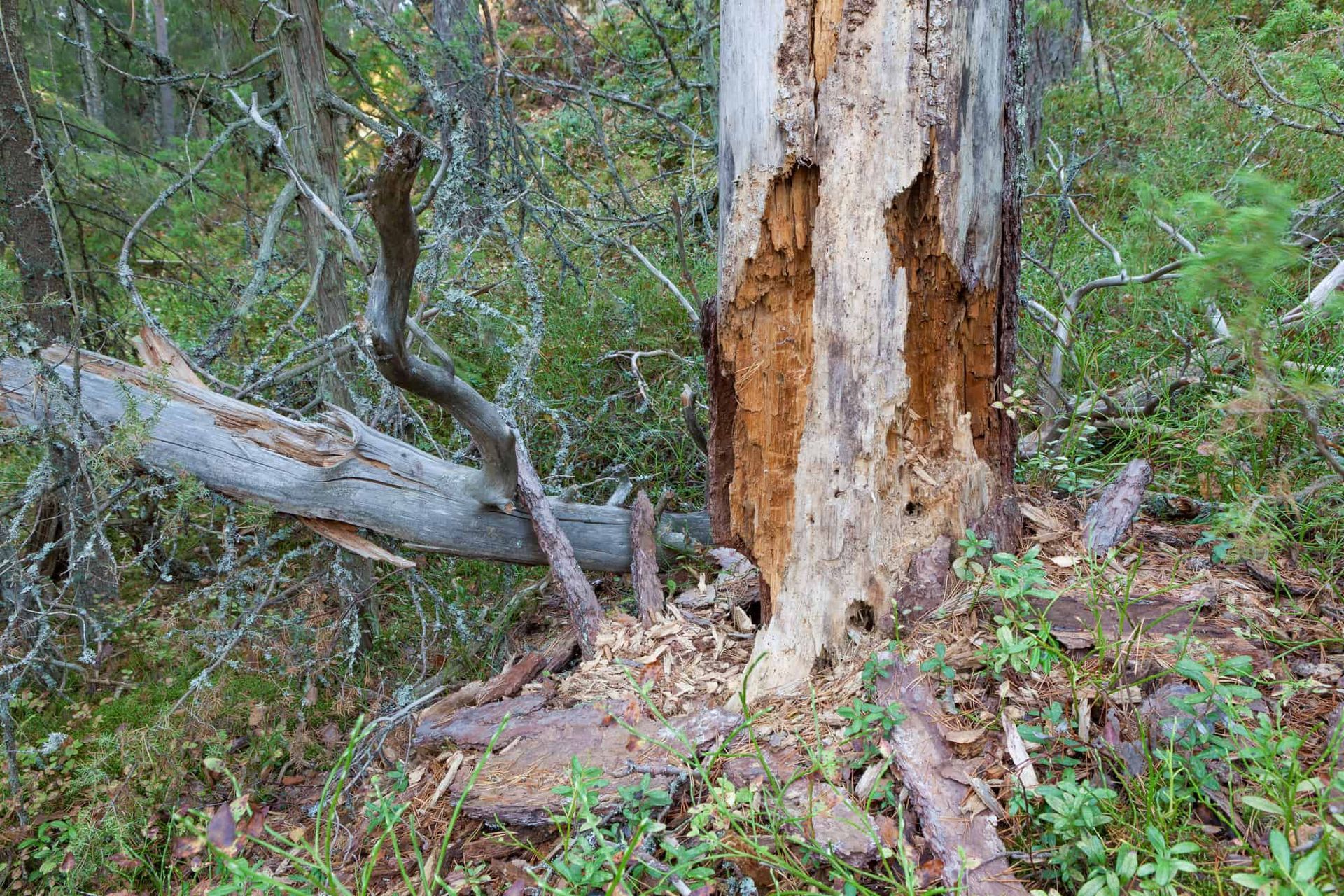
- Dead or dying trees posing a safety risk
- Trees damaged by storms or lightning
- Trees threatening a structure or power lines
- Routine trimming or pruning
- Small ornamental trees below size thresholds
- Trees on private residential lots with no special zoning
Even in these cases, documentation such as photos or a professional assessment is often recommended in case questions arise later.
Emergency Tree Removal and Permits
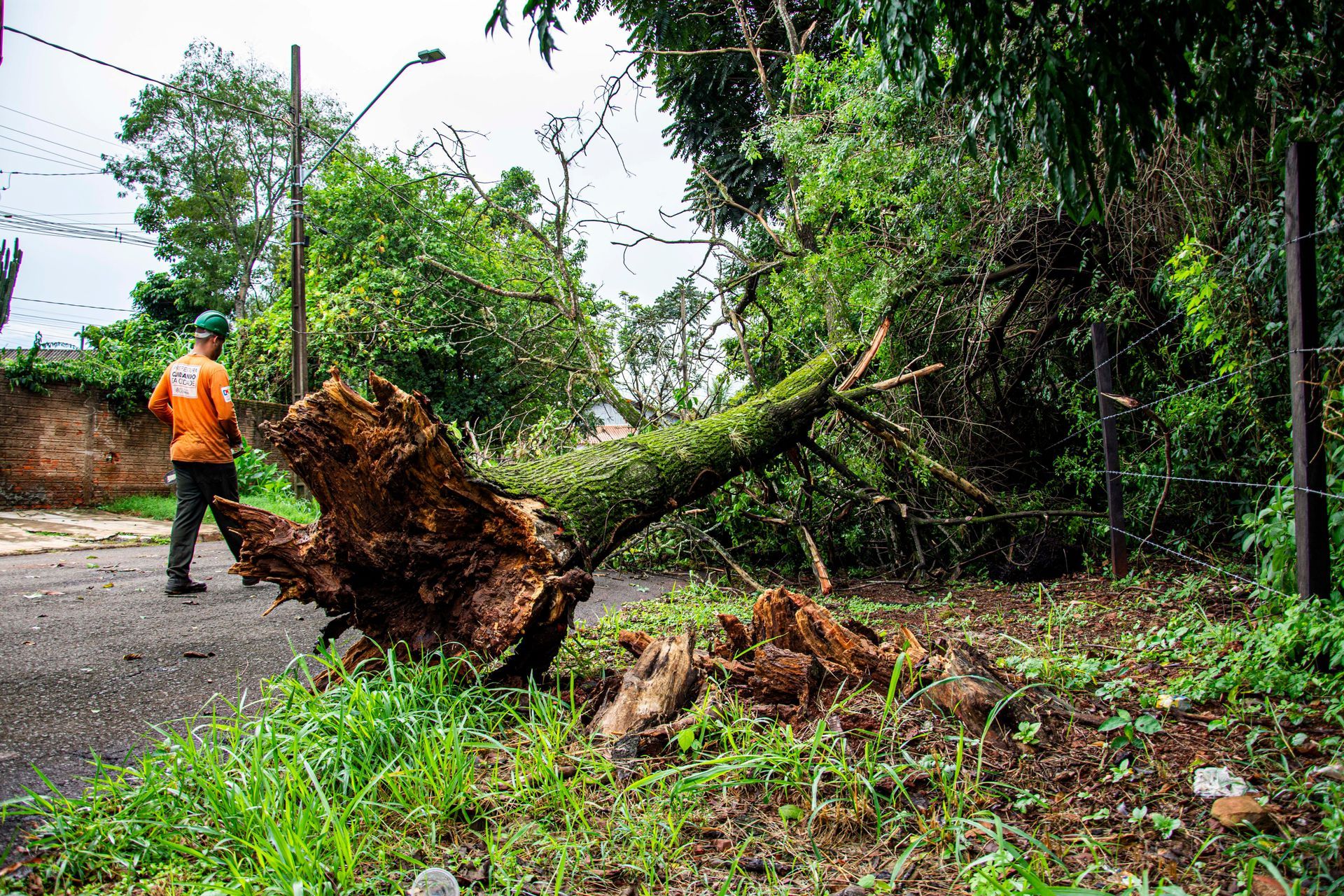
In emergency situations—such as a tree that has fallen or is at immediate risk of falling—permits are usually waived or handled after the fact.
Emergency situations include:
- Trees that have fallen on homes or vehicles
- Trees leaning dangerously after storms
- Split trunks or uprooted trees
- Trees blocking driveways or road access
Homeowners are generally allowed to remove the immediate hazard first, then notify the local municipality if required. Keeping photos and professional invoices is helpful for documentation.
How Homeowners Associations (HOAs) Affect Tree Removal
Even if your city or township does not require a permit, your HOA may.
Many homeowners associations enforce rules about:
- Tree removal approvals
- Landscaping changes
- Replacement planting requirements
- Fines for unauthorized removal
HOA rules can be stricter than local ordinances. Always review your bylaws or consult the HOA board before removing a tree.
The Tree Removal Permit Process
While the process varies by municipality, most permit applications follow a similar structure:
- Application Submission
You provide details such as tree location, species, size, and reason for removal. - Site Inspection
Some cities conduct an on-site inspection to verify the tree’s condition. - Approval or Conditions
Approval may include conditions such as replacement planting or preservation of nearby trees. - Removal Timeline
Permits often include a deadline by which the tree must be removed. - Final Inspection (if required)
Some jurisdictions require confirmation that removal followed approved guidelines.
The process can take anywhere from a few days to several weeks, depending on complexity.
Penalties for Removing a Tree Without a Permit
Removing a tree without required approval can result in:
- Monetary fines
- Stop-work orders on construction projects
- Mandatory replacement trees
- Required restoration of disturbed land
- Legal disputes with neighbors or the municipality
In some Michigan communities, replacement requirements can be costly and involve planting multiple trees to compensate for one removed tree.
How Professional Tree Services Help With Permits
Working with an experienced tree service can make navigating permit requirements much easier. A professional company can:
- Identify whether a permit is required
- Help document tree condition (dead, hazardous, diseased)
- Coordinate with local building or zoning departments
- Ensure removals comply with approved conditions
- Protect you from liability issues
Many homeowners assume permit research is their responsibility alone, but experienced tree services are often familiar with local rules and common exceptions.
Special Considerations for Shelby Township and Similar Areas
In townships like Shelby Township, tree removal rules are generally homeowner-friendly for residential lots, but exceptions still apply for:
- Wetlands
- New development
- Large-scale lot clearing
- Commercial zoning
- HOA-regulated neighborhoods
Local planning and zoning departments are the best source of current regulations, as rules may change over time.
Frequently Asked Questions
Do I need a permit to remove a dead tree?
In most cases, no. Dead or hazardous trees are usually exempt, but documentation is recommended.
Can my city force me to keep a dangerous tree?
If the tree is a confirmed safety hazard, municipalities rarely deny removal, though they may request verification.
What if I remove a tree and later find out I needed a permit?
Penalties vary. Contact the municipality immediately to explain the situation and seek resolution.
Does trimming require a permit?
Routine trimming usually does not, unless the tree is protected or located in a regulated area.
Final Thoughts: Always Check Before You Cut
Tree removal in Michigan is not one-size-fits-all. While many homeowners can remove trees without permits, others may face strict regulations depending on location, zoning, and environmental factors.
Taking a few minutes to verify local requirements—or working with a knowledgeable tree service—can save you from fines, delays, and unnecessary stress.
If you’re unsure whether a permit is required for your tree removal project, consulting a professional before starting is always the safest approach.