Tree Trimming Safety Tips for Homeowners
Introduction: Tree Trimming Can Be Riskier Than It Looks
Tree trimming may seem like a simple weekend chore—grab some tools, cut a few branches, and clean up. But for many homeowners in Shelby Township and across Michigan, what starts as a basic yard project can quickly become dangerous.
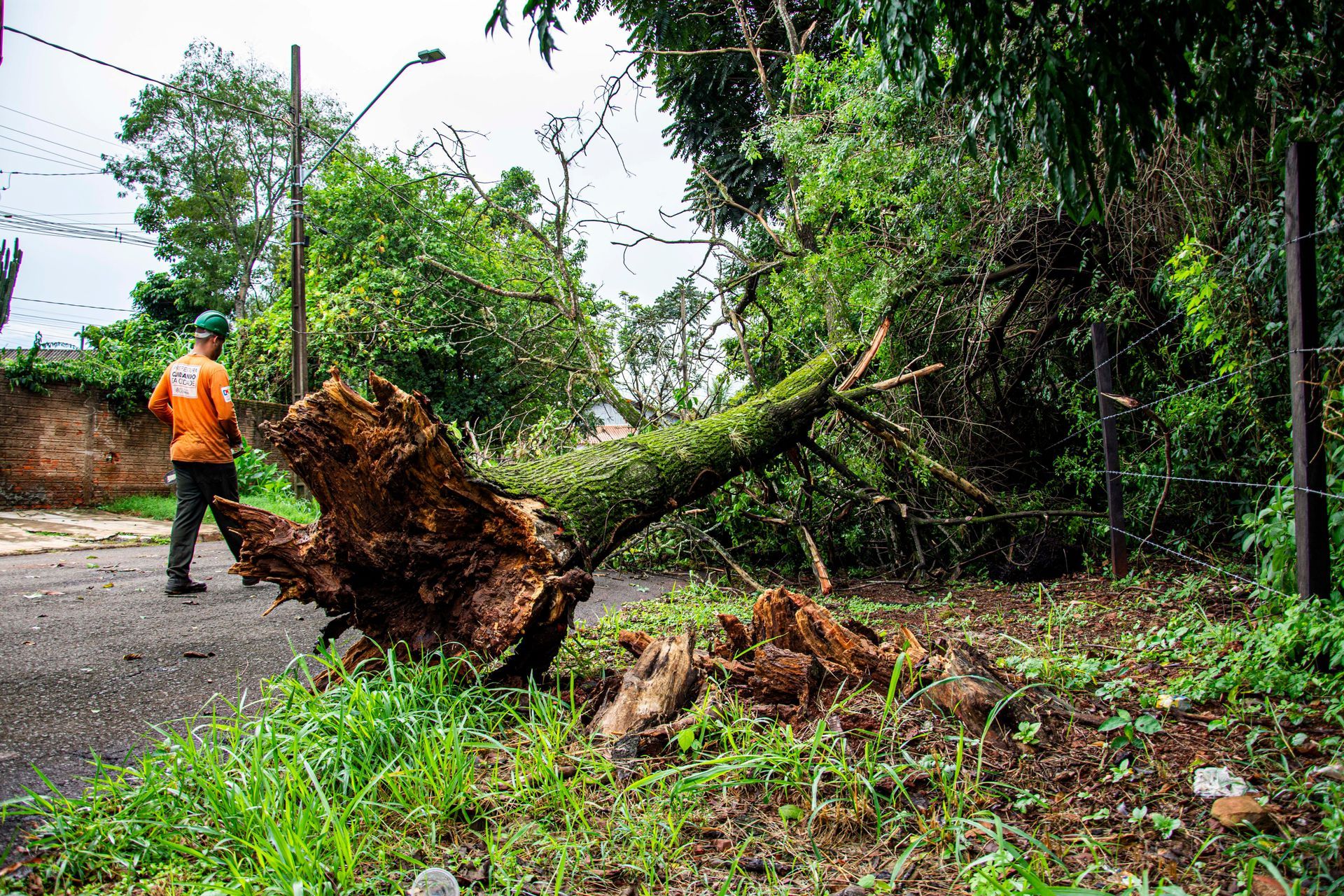
Every year, thousands of injuries are reported from DIY tree trimming accidents, ranging from cuts and falls to electrocution. Trees grow taller than expected, branches are heavier than they look, and working on ladders while holding sharp tools is a serious hazard. Understanding the risks and using proper safety techniques is essential before you make that first cut.
In this guide, we’ll outline the most important tree trimming safety tips for homeowners, including when you can handle the job yourself and when it’s time to hire a professional service like Family Tree Removal.
Why Safety Matters When Trimming Trees
Tree trimming doesn’t just involve climbing ladders and cutting limbs. It also includes handling potentially dangerous equipment like chainsaws, pole pruners, and wood chippers—often while dealing with unstable limbs, power lines, or uneven ground.
Improper tree trimming can result in:
- Serious injury or even fatal falls
- Damage to your home, garage, fence, or vehicle
- Infections from open wounds or insect bites
- Structural damage to the tree itself
- Legal liability if a falling branch hits a neighbor’s property
Being cautious, prepared, and informed can protect your health, your home, and the long-term health of your trees.
Tip #1: Know When It’s Safe to DIY—and When It’s Not
Not all tree trimming tasks are created equal. Here’s a simple rule of thumb:
- Safe DIY Tasks: Small branches under 2 inches in diameter, reachable from the ground without a ladder, on trees under 15 feet tall.
- Professional Tasks: Any trimming near power lines, large limbs over 2 inches in diameter, or anything requiring climbing, rigging, or a chainsaw.
In general, if you’re not confident in your ability to trim a branch safely and control where it falls—call a licensed tree service instead.
Tip #2: Use the Right Safety Gear
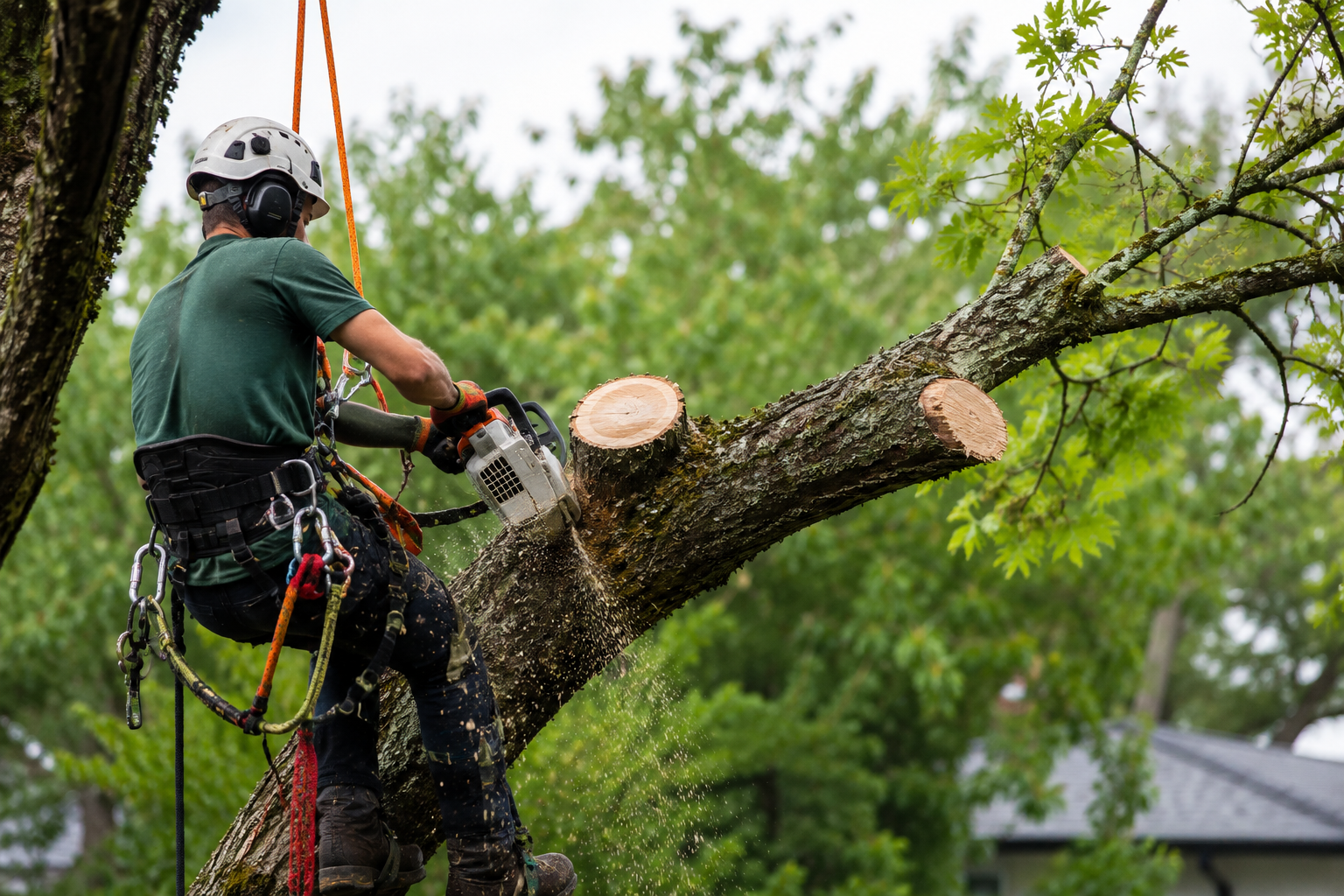
Protective gear is a must for any trimming job. Before you start, make sure you have the following:
- Hard hat to protect from falling limbs
- Safety goggles or a face shield to guard against flying debris
- Heavy-duty gloves for grip and cut protection
- Non-slip boots with ankle support
- Long-sleeve shirt and pants to protect against scratches, bites, and sun exposure
- Hearing protection if using loud equipment like chainsaws
Wearing proper gear reduces your risk of cuts, eye injuries, and other common tree work hazards.
Tip #3: Inspect the Tree and Work Area First
Before you make a single cut, assess the tree and the environment around it. Look for:
- Dead or cracked limbs that could fall unexpectedly
- Insect nests (especially wasps or hornets)
- Power lines nearby or running through the branches
- Unstable footing or uneven terrain
- Loose bark or rot that might give way under pressure
Plan your trimming approach carefully and make sure you have a clear exit route if something goes wrong.
Tip #4: Use Proper Tools—and Maintain Them
Using the wrong tool, or a dull one, can cause injury or permanent damage to the tree. Essential tree trimming tools include:
- Bypass hand pruners for small branches
- Loppers for branches up to 2 inches thick
- Pole saws or pole pruners for higher cuts (from the ground)
- Chainsaws only if you’re trained and equipped for safe use
Keep your tools sharp and clean. Dull blades can cause uneven cuts and tear the bark, which makes trees more vulnerable to disease.
Never use household tools like kitchen knives, or makeshift equipment like unstable ladders or ropes.
Tip #5: Practice the Three-Cut Method for Large Branches
Improper cutting can cause bark tearing and trunk damage. For branches over 1 inch in diameter, use the three-cut method:
- Undercut: Make the first cut 6–12 inches from the trunk, from the underside, about a third of the way through the branch.
- Top Cut: A few inches further out, cut through the branch from the top. This will cause the limb to fall cleanly.
- Final Cut: Remove the remaining stub close to the trunk, just outside the branch collar.
This technique prevents bark from peeling down the trunk and helps the tree heal properly.
Tip #6: Never Trim Near Power Lines
One of the most dangerous—and common—mistakes is trimming trees near power lines. Even if the branch doesn’t look like it’s touching the wire, electricity can arc several feet.
Only qualified, trained professionals should work near utility lines. Contact your electric company if a tree on your property is interfering with overhead wires. Never attempt to handle this yourself.
Tip #7: Don’t Over-Trim
Overzealous pruning can cause long-term damage. Removing too many branches:
- Reduces the tree’s ability to produce food through photosynthesis
- Increases sun exposure to previously shaded bark (sunscald)
- Makes the tree unstable and vulnerable to wind damage
As a general rule, don’t remove more than 25 percent of a tree’s canopy in a single year. Strategic pruning keeps the tree healthy and preserves its natural shape.
Tip #8: Watch Out for Falling Limbs
Always anticipate the path of a falling limb. Even small branches can cause injury or property damage. Clear the area below before trimming, and don’t let children or pets play nearby during the work.
Avoid cutting directly overhead if you’re standing beneath the branch. Whenever possible, work at an angle and position yourself out of the fall zone.
Tip #9: Never Trim in Wet or Windy Conditions
Trimming in poor weather increases your risk of slips, dropped tools, and falling branches. Wet leaves and bark are also more slippery and harder to grip.
Wait for dry, calm weather—and daylight—to complete your trimming. If you’re unsure about conditions or timing, a professional service can help plan the job safely.
Tip #10: Know Your Limits
Some homeowners feel pressure to handle tree trimming themselves to save money, but your safety is worth far more than a few hundred dollars. If the job feels too big, too tall, or too complex—trust your instincts and hire professionals.
Licensed tree services like Family Tree Removal have the tools, insurance, and experience to trim safely and effectively. We use rigging systems, proper gear, and trained crews to handle trimming tasks that would be risky for homeowners.
Final Thoughts: Safety Comes First in Tree Care
Trimming your trees improves curb appeal, prevents storm damage, and supports healthy growth—but only when done safely. Taking shortcuts or underestimating the risks can result in serious consequences.
Whether you’re tackling a small backyard project or need help with a tree near your home or utility lines, following proper safety guidelines is essential. And when in doubt, calling in the professionals ensures your property—and your wellbeing—are protected.
If you're in Shelby Township or the surrounding area and need assistance with safe, affordable tree trimming, contact Family Tree Removal. We’ll provide a free estimate, offer honest guidance, and make sure the job is done right the first time.