How Seasonal Weather Affects Tree Health in Michigan
Michigan’s Unique Climate Challenges for Trees
Michigan’s climate is both beautiful and unpredictable. From frigid winters to hot, stormy summers, the seasonal shifts put stress on even the most established trees. Whether you’re a homeowner in Shelby Township, a business owner maintaining landscaping, or managing a wooded lot, understanding how seasonal weather affects tree health is critical to preventing damage, disease, and dangerous tree failures.
Each season brings different environmental factors that affect soil, moisture levels, tree bark, roots, and overall stability. In this comprehensive guide, we’ll explore how Michigan’s spring, summer, fall, and winter weather patterns influence tree health and what proactive steps you can take throughout the year to protect your property.
Spring: Rapid Growth and Root Instability
After a long winter dormancy, Michigan trees begin to wake up in early to mid-spring. Buds emerge, sap begins to flow, and root systems reactivate to take in water and nutrients. But while spring symbolizes renewal, it also presents several challenges to tree health:
Soil Saturation and Flooding
Melting snow and spring rains often saturate the soil, leading to shallow root conditions. Waterlogged soil can:
- Reduce oxygen availability to roots
- Increase the risk of fungal root rot
- Loosen the soil, making trees more prone to leaning or uprooting
Tree species like willow, maple, and birch are especially susceptible to early spring root stress.
Rapid Limb Growth
With longer daylight hours and more moisture, trees grow rapidly in spring. Fast growth, however, can weaken branch structures, especially if the tree wasn't pruned properly the previous fall. Heavy, fast-growing limbs may split or droop, especially during late spring storms.
Spring Maintenance Tips:
- Inspect your trees for broken or hanging limbs left over from winter storms
- Remove any visible fungal growth around the base of trees
- Avoid walking or driving heavy equipment over wet soil near trees
- Consider selective pruning to guide healthy spring growth
Summer: Heat Stress and Thunderstorm Damage
Michigan summers can bring extreme temperature swings, high humidity, and frequent thunderstorms. While many trees thrive during this growing season, several risks emerge during June, July, and August.
Heat and Drought Conditions
Extended periods without rain or excessive heat can dry out shallow roots. Even established trees may show signs of drought stress, such as:
- Wilting or browning leaves (especially at the top of the canopy)
- Leaf drop in mid-summer
- Cracked or peeling bark
Younger or recently transplanted trees are especially vulnerable to drying out during hot, dry spells.
Severe Weather and Wind Damage
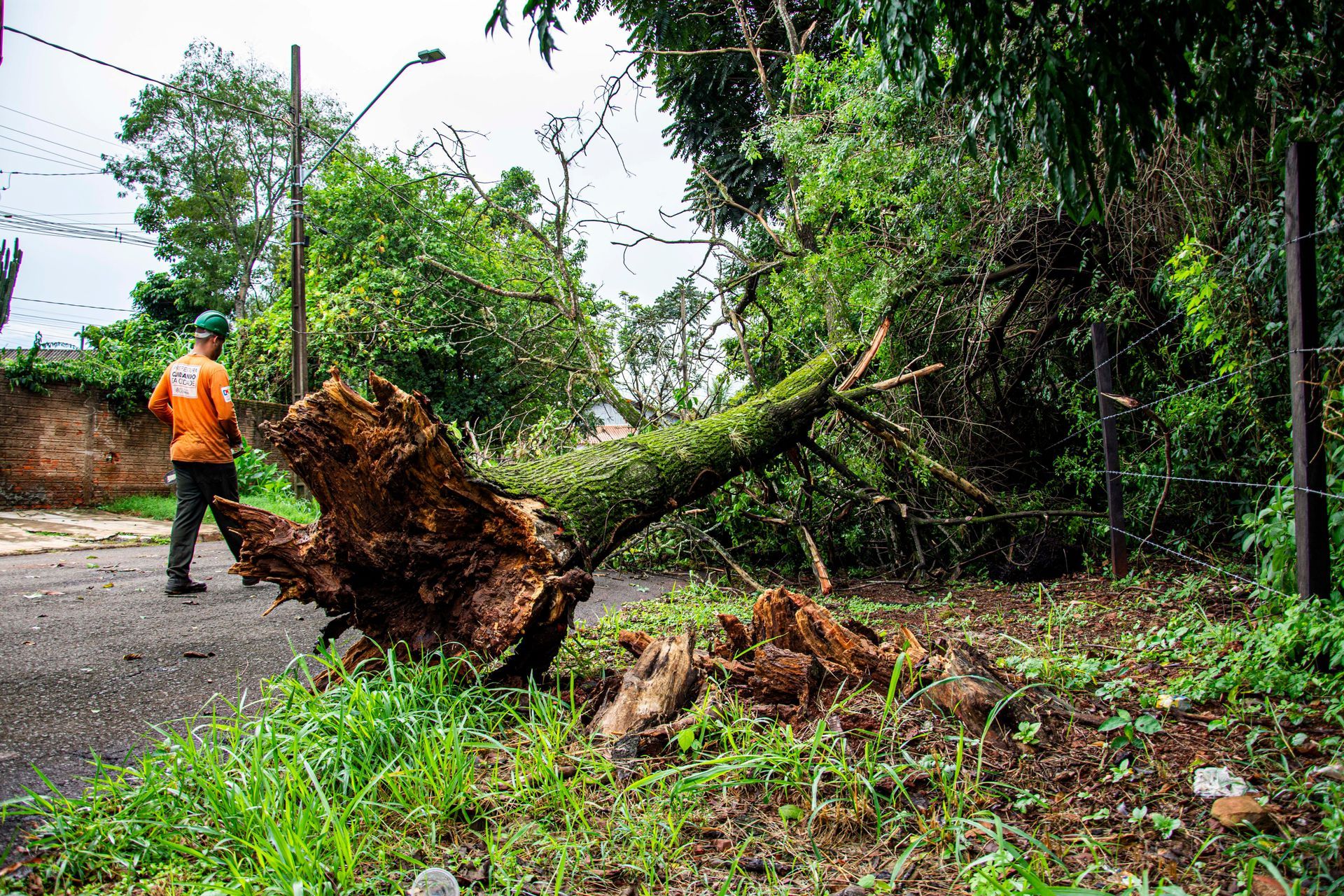
Summer storms in Michigan often bring strong wind gusts, lightning, and hail. Trees already weakened by disease or poor structure may:
- Lose large limbs suddenly
- Split at the trunk
- Fall completely if root systems are compromised
High-risk species like Bradford pear, silver maple, and boxelder are especially prone to storm breakage.
Pest and Insect Activity
Warm weather increases the activity of tree-damaging insects such as:
- Emerald ash borer
- Gypsy moth
- Aphids
- Japanese beetles
Insect infestations can weaken a tree and make it more vulnerable to storm damage or disease.
Summer Maintenance Tips:
- Water trees during dry weeks—deep watering is better than frequent shallow watering
- Inspect trunks for insect entry holes or oozing sap
- Remove dead or weak limbs that could break during storms
- Consider tree cabling or bracing for trees with split trunks
Fall: The Best Time for Tree Assessment and Preparation
While most people associate fall with beautiful foliage, it’s also one of the best seasons for long-term tree care. Cooler temperatures and lower humidity reduce the risk of disease spread, making fall ideal for pruning and assessment.
Leaf Color and Drop as Health Indicators
Changes in fall leaf color are natural—but irregular patterns can indicate deeper problems:
- Early color change or early drop may signal root stress
- Leaves that turn brown but remain attached can point to disease
- Patchy coloration may be a sign of nutrient deficiency or fungal infection
Monitoring how and when your trees drop leaves can give you clues about their health.
Root Energy Storage
In fall, trees shift their focus from growing leaves to storing energy in their roots. This helps them survive winter dormancy. However, damaged or compacted root systems can’t store nutrients effectively, leaving the tree more vulnerable to frost damage.
Ideal Time for Pruning and Removal
Fall is often the safest and most effective time to:
- Prune dead or structurally weak limbs
- Remove dead or hazardous trees
- Prepare trees for snow loads by reducing weight in the crown
Fall Maintenance Tips:
- Rake and dispose of fallen leaves to reduce fungus and pest activity
- Mulch around the base of trees to insulate roots
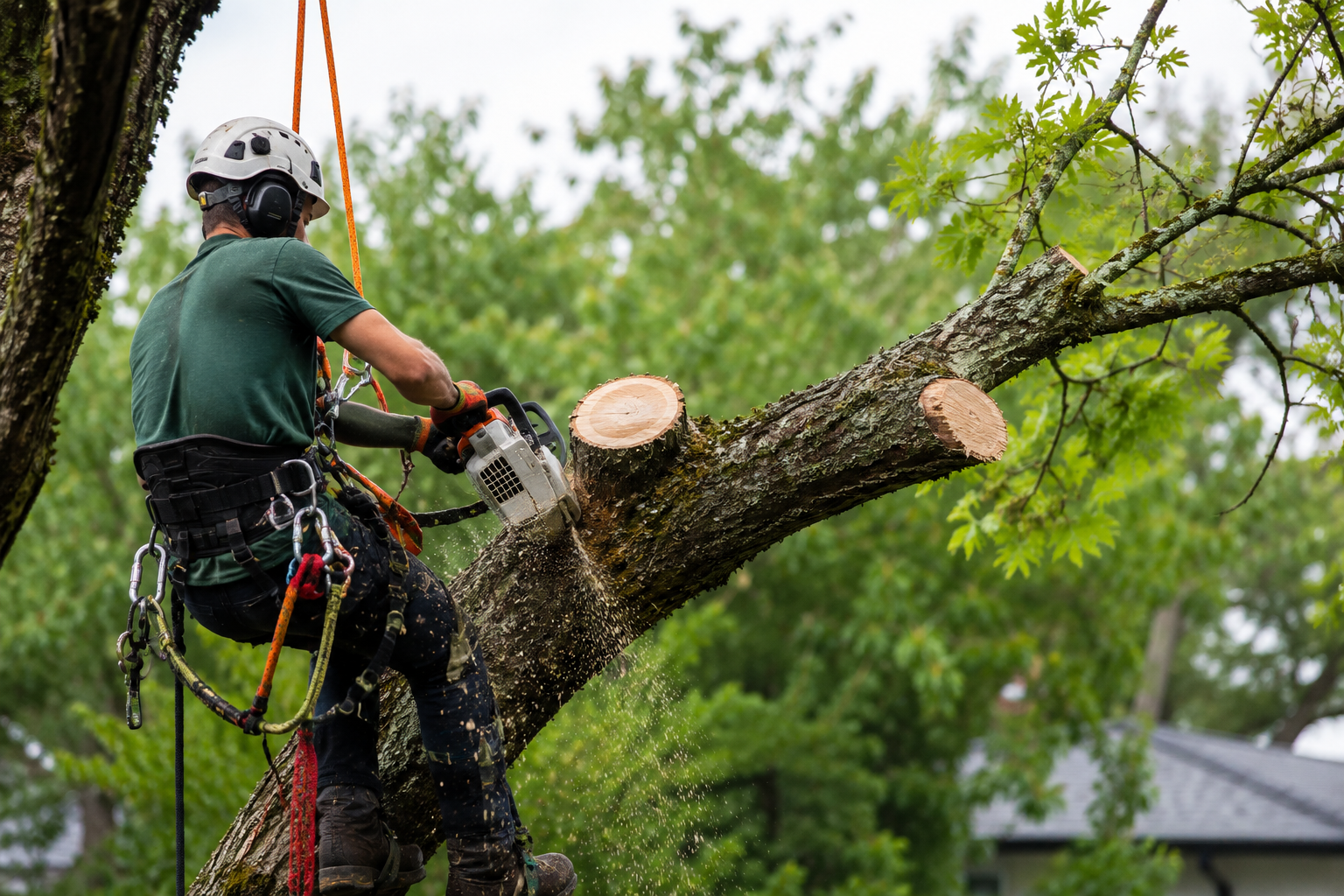
- Schedule professional pruning before winter storms hit
- Consider soil testing and fertilizing if trees appeared stressed during summer
Winter: Dormancy and Cold-Weather Damage
Michigan winters are long, cold, and often brutal. Trees may look dormant, but they’re still vulnerable to stress and damage. The extreme cold, heavy snow loads, and freezing wind can have both immediate and long-term effects.
Frost Cracks and Bark Splitting
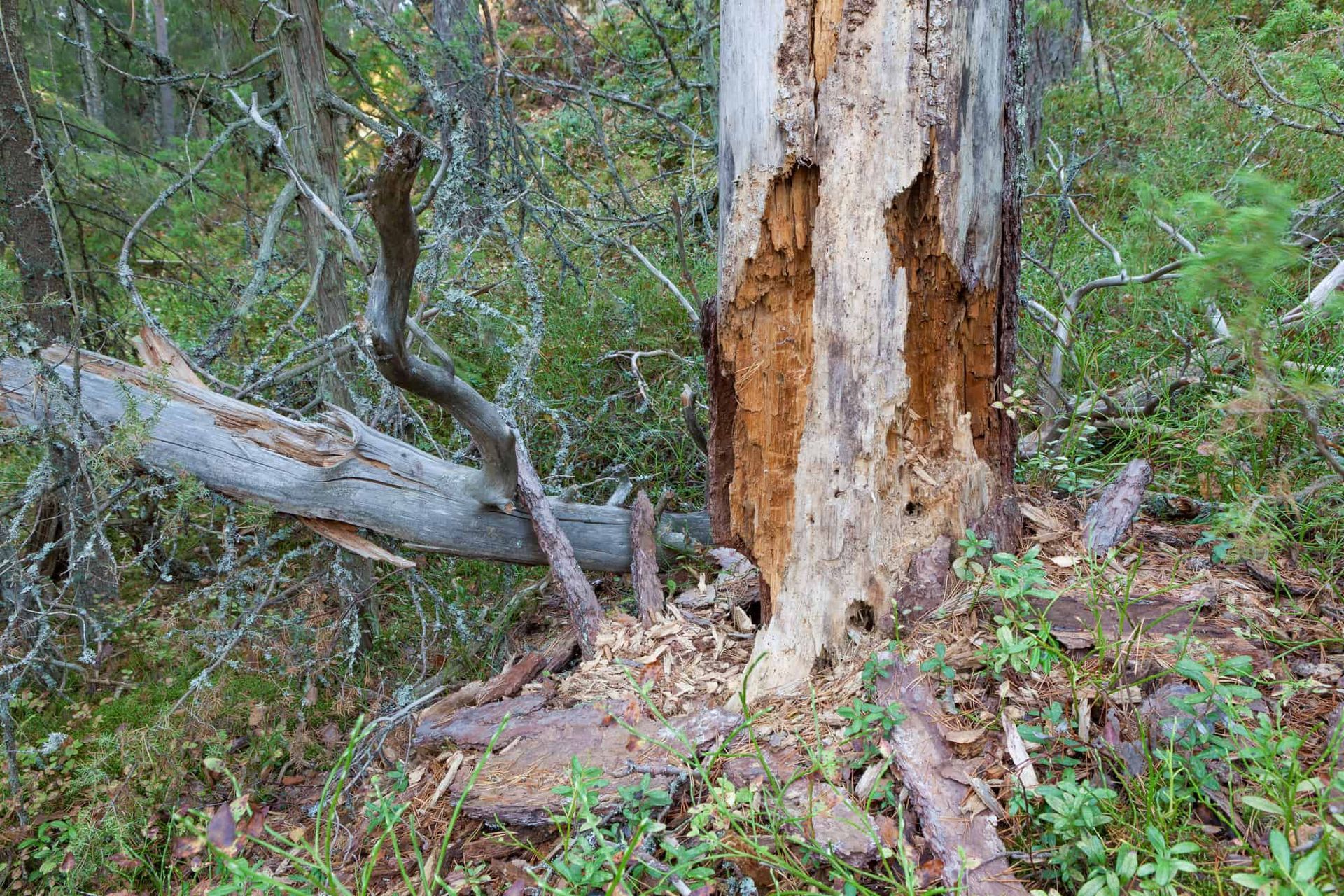
Rapid temperature drops can cause the outer bark of a tree to expand and contract unevenly. This often leads to vertical cracks known as frost cracks, especially in young maple, sycamore, or fruit trees. Once cracked, these areas become entry points for disease in spring.
Snow and Ice Load Damage
Heavy, wet snow can weigh down branches and lead to:
- Sudden limb failure
- Crown splitting
- Tree toppling due to unbalanced weight
Evergreen trees, especially arborvitae and pine, are at higher risk during snowstorms.
Salt Damage
Trees located near sidewalks, roads, or driveways may be exposed to de-icing salts, which damage root systems and cause foliage browning. Over time, salt buildup in the soil can lead to tree decline or death.
Winter Maintenance Tips:
- Gently remove heavy snow from tree limbs with a broom (don’t shake branches)
- Avoid using road salt near root zones—consider sand or alternatives
- Inspect trees after ice storms for hanging limbs
- Schedule dormant season pruning for better structure control
Year-Round Tree Care Strategies
To protect your trees across all four seasons, implement these general practices:
- Annual Tree Inspections – Hire a professional tree service like Family Tree Removal to assess your trees each year and recommend action.
- Mulch and Water Consistently – Proper moisture and soil insulation support root health.
- Watch for Pests and Disease – Early intervention can prevent costly removal.
- Avoid DIY Hazardous Work – Tree trimming near power lines or roofs should always be handled by trained professionals.
Protect Your Trees in Every Season
Trees are one of the most valuable natural assets on your property—but they need seasonal attention to stay healthy, safe, and beautiful. Whether it’s the soil saturation of spring, the heat of summer, the preparation of fall, or the dangers of winter, each Michigan season presents its own tree care priorities.
Family Tree Removal serves homeowners across Shelby Township and nearby communities with year-round tree trimming, removal, stump grinding, and lot clearing. We understand how Michigan weather affects tree health—and we’re here to help protect your property from avoidable damage.
To schedule a tree inspection or get a free quote, contact our team today.