The Hidden Dangers of Dead Trees on Your Property
The Hidden Dangers of Dead Trees on Your Property
In a place like Shelby Township, Michigan—where strong winds, heavy snow, and summer storms are common—tree health matters. While a dead tree might look like it's just part of the background, it could be the single biggest risk to your property and safety.
Dead trees are not just unsightly. They are unstable, hazardous, and unpredictable. At Family Tree Removal, we regularly remove dead or dying trees from properties across Macomb County, often after homeowners have ignored them for too long. In many cases, waiting leads to major damage—or near misses that could have been prevented.
In this article, we’ll explore why dead trees are dangerous, how to recognize the warning signs, and when to act before it's too late.
Why Dead Trees Are a Major Risk in Michigan
Shelby Township and its surrounding areas are full of mature trees—maples, oaks, pines, and ash—that have stood for decades. Over time, these trees may weaken due to disease, pests, age, or storm damage. When that happens and a tree dies, it stops functioning like a living structure. The trunk becomes brittle, the roots stop supporting the weight, and branches begin to deteriorate from the inside out.
What Makes Dead Trees So Dangerous?
- They are structurally unstable. Even if the tree looks upright, internal decay can make it weak enough to fall at any time.
- They drop limbs unexpectedly. Dead limbs snap easily and may fall in light winds—or without any warning at all.
- They attract pests and disease. Dead trees become breeding grounds for termites, beetles, carpenter ants, and fungus.
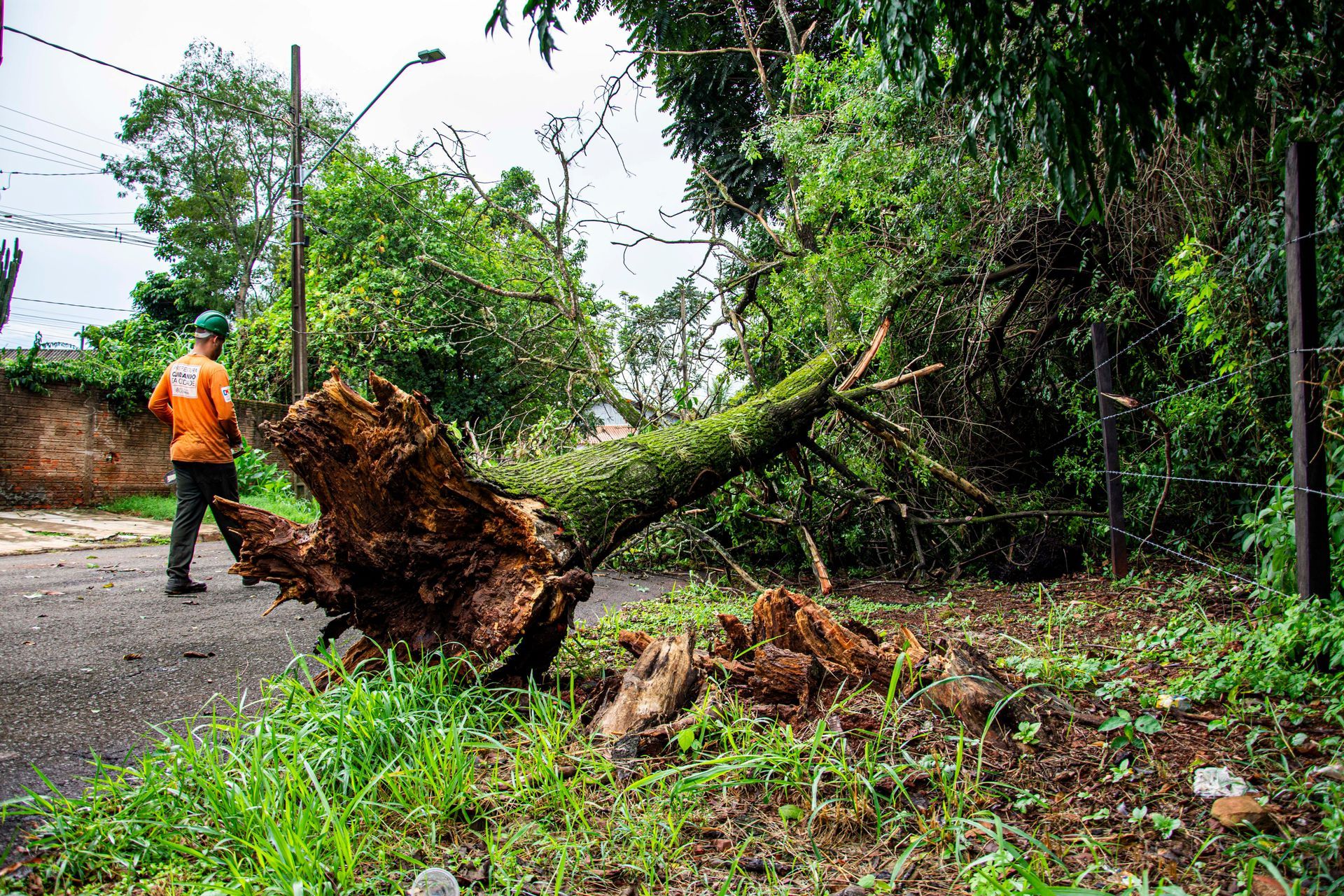
- They can fall without storms. Many homeowners assume dead trees only fall during high winds, but gravity and time are enough to bring them down.
Common Risks from Dead Trees on Your Property
1. Falling Hazards Near Homes and Vehicles
A dead tree falling on your home can cause:
- Roof collapse or structural damage
- Broken windows and gutters
- Crushed garages or sheds
- Serious injury or death to anyone in its path
Even medium-sized trees can weigh thousands of pounds. If one falls on your roof, repair costs may range into the tens of thousands.
2. Damage to Driveways, Sidewalks, and Fencing
As dead trees weaken, they’re more likely to drop limbs or topple over. Trees located near your driveway or lot line can easily destroy fences, block vehicle access, or damage your landscaping.
3. Power Line Interference and Fire Hazards
Dead branches near power lines pose an elevated risk of sparking or electrical fire. If a tree or limb hits a utility line, you may face:
- Widespread power outages
- Fire risk during dry conditions
- Liability for damage to utility equipment
In cases like these, DTE or your utility provider may need to get involved—but removal of the tree is still your responsibility.
4. Spread of Insects and Disease
Many pests—including bark beetles, termites, and carpenter ants—are drawn to dead or dying wood. Once they settle into one tree, they may spread to others on your property or even migrate toward your home.
Fungal growth on a dead stump or tree base also increases moisture in your yard and can weaken soil structure, potentially affecting nearby trees or grass.
Local Example: Dead Tree Causes Driveway Collapse in Shelby Township
In one recent job, a homeowner in Shelby Township called us after part of their concrete driveway cracked. The cause? A dead silver maple near the edge of the property had decayed internally, and its roots had shifted under the driveway. Heavy spring rain caused the weakened soil and root structure to give out.
After safely removing the tree and grinding the stump, we worked with the homeowner to restore the surrounding soil. While the driveway had to be partially repoured, the homeowner avoided further root spread and damage.
Signs a Tree May Be Dead (Or Dying)
Dead trees don’t always look “dead.” Some symptoms are subtle, while others may appear suddenly. Here are key warning signs:
- No foliage during spring or summer
- Brittle branches that snap easily with no green inside
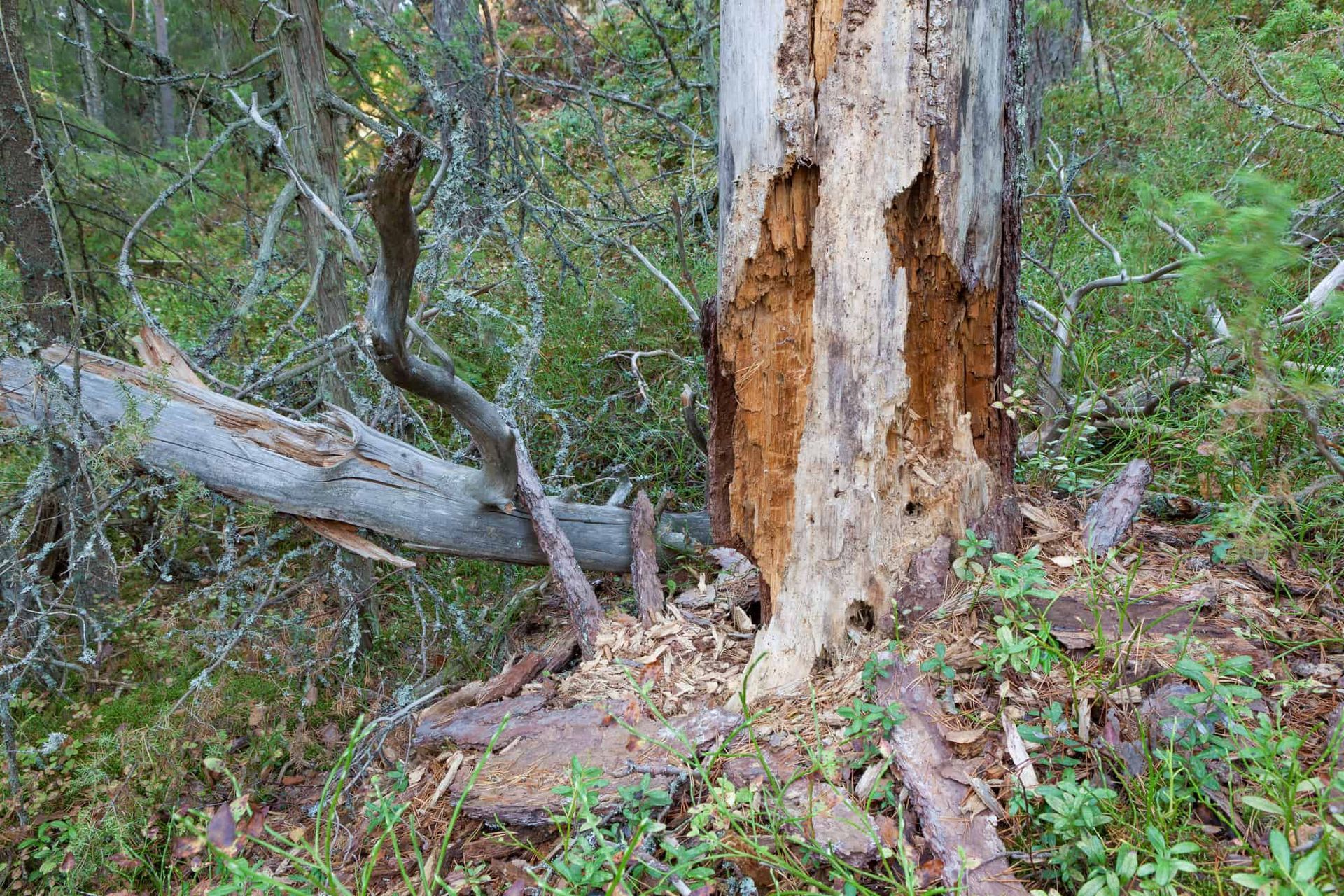
- Large cavities or trunk cracks
- Peeling or missing bark exposing dry wood
- Mushrooms or fungal growth at the base of the tree
- Leaning or shifting in the soil
- Insect infestation (visible entry holes, sawdust, beetles)
- No response to a scratch test (cutting into the bark shows no green tissue)
If you're unsure, schedule a professional evaluation. We can determine whether your tree is dead, diseased, or simply in decline—and advise you on the safest course of action.
What Happens If You Leave a Dead Tree Standing?
Many homeowners believe if a tree has been dead for a while and hasn’t fallen yet, it’s probably fine. This is a dangerous misconception.
Dead trees become more unstable with every freeze-thaw cycle, every rainfall, and every high wind event. The longer they stand, the more brittle and dangerous they become.
Waiting can lead to:
- Emergency removal during a storm (which costs more)
- Structural damage to your home or neighbor’s property
- Increased liability if someone is injured
- Denied insurance claims for preventable risks
Tree Removal vs. Trimming: What's the Right Approach?
Trimming a dead tree is usually not enough. Once a tree has died, trimming branches does not solve the problem—it’s only cosmetic.
Complete removal is the only way to eliminate the risk associated with a dead tree.
We recommend trimming only in cases where:
- The tree is healthy, but certain limbs have died
- You want to shape a declining tree that still has structural integrity
- You're preparing the yard for storm season but want to keep the tree
What Does Dead Tree Removal Cost in Shelby Township?
Costs depend on the tree's height, condition, location, and risk level. However, here’s a general breakdown:
| Tree Size | Estimated Cost Range |
|---|---|
| Small (under 30 ft) | $300 – $600 |
| Medium (30–60 ft) | $600 – $1,200 |
| Large (60+ ft) | $1,200 – $2,000+ |
Trees near homes, power lines, or structures may require rigging or cranes, which can increase cost. But the investment is always lower than the potential cost of storm damage or emergency removal.
Frequently Asked Questions
Can a dead tree fall without a storm?
Yes. Dead trees often fall during calm weather due to internal collapse, root decay, or soil erosion. We’ve removed fallen trees that came down on sunny days with no wind at all.
Should I remove a dead tree immediately?
Yes. Once a tree is confirmed dead, you should remove it as soon as possible to avoid further decay, collapse, or pest activity.
Will my insurance cover damage from a dead tree?
It depends. Most homeowner policies won’t cover damage if the tree was known to be dead or a hazard and you failed to act. Proactive removal is your best protection.
Do you offer emergency removal if the tree is already falling?
Yes. We offer 24/7 emergency tree removal in Shelby Township and nearby areas. If your tree is leaning or has already dropped a limb, call us right away.
Get a Free Evaluation Today – Before the Tree Falls
If you suspect you have a dead or dying tree on your property, don’t wait for the next storm. Call Family Tree Removal for a professional assessment and fast, safe removal.
- Fully licensed and insured
- Local, family-owned business
- Emergency and scheduled removals
- Complete cleanup and stump grinding available
- Serving Shelby Township, Macomb Township, Utica, and beyond
Call us at
(586) 383-0655 or email
familytreeremoval@hotmail.com to schedule your free quote.