Why Hiring a Licensed and Insured Tree Service Matters
Why Hiring a Licensed and Insured Tree Service Matters
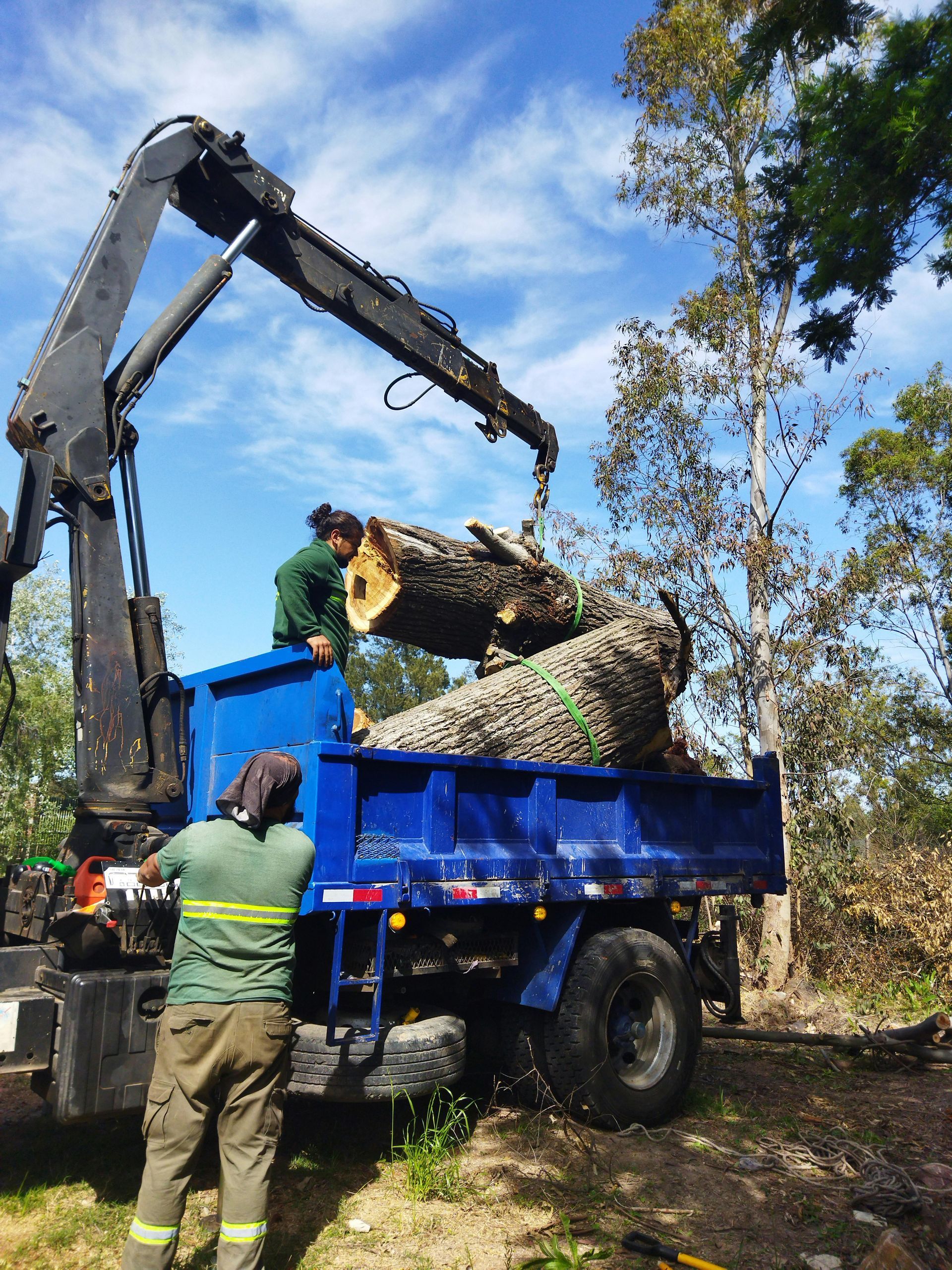
Tree removal and tree trimming are among the most dangerous types of residential property maintenance. While many outdoor projects can be completed by homeowners or general contractors, tree work requires specialized knowledge, equipment, and experience. Every tree is different, and factors such as its size, location, condition, and proximity to structures can significantly increase the level of risk involved.
When searching for a tree service, it's tempting to choose the company offering the lowest price. Unfortunately, the cheapest estimate isn't always the best value. One of the most important considerations is whether the company is fully licensed and insured.
Hiring a licensed and insured tree service protects your property, your family, and your financial interests. It also gives you confidence that the company has the training, equipment, and professionalism needed to complete the job safely.
This guide explains why licensing and insurance matter, the risks of hiring uninsured contractors, and what every homeowner should ask before scheduling tree work.
Tree Work Is One of the Most Dangerous Occupations
Many homeowners underestimate how hazardous tree work can be.
Professional tree removal involves working with:
- Chainsaws
- Climbing equipment
- Heavy branches
- Rigging systems
- Wood chippers
- Stump grinders
- Elevated work platforms
- Heavy machinery
Crews frequently work more than 50 feet above the ground while lowering branches that may weigh hundreds of pounds.
According to workplace safety statistics, tree care consistently ranks among the most hazardous occupations due to falls, equipment accidents, electrical hazards, and falling trees.
Because of these risks, choosing an experienced, properly insured company is extremely important.
What Does "Licensed" Mean?
Licensing requirements vary depending on the state and municipality, but generally, a licensed contractor has met legal requirements to operate a business.
This often includes:
- Business registration
- Local operating permits
- Compliance with state regulations
- Required tax registrations
- Industry standards
A legitimate company should have no hesitation providing information about its licensing when asked.
Working with an established business also means you know who is responsible if problems arise after the work is completed.
Why Insurance Is Even More Important
Insurance protects both the contractor and the homeowner.
Without proper insurance coverage, you could become financially responsible if something goes wrong.
Professional tree companies should carry multiple types of insurance.
General Liability Insurance
General liability insurance covers accidental property damage caused during the project.
Examples include:
- Damage to your roof
- Broken fences
- Cracked driveways
- Damaged landscaping
- Broken windows
- Vehicle damage
Even experienced professionals encounter unexpected situations.
A hidden cavity inside a tree may cause it to fall differently than expected.
Strong wind may affect a large branch.
Equipment may accidentally contact a structure.
Liability insurance helps cover these unexpected events.
Workers' Compensation Insurance
Workers' compensation protects employees who are injured while performing their job.
This coverage is extremely important.
Without workers' compensation insurance, injured workers may attempt to recover medical costs directly from the homeowner.
Tree removal involves climbing, heavy lifting, chainsaws, and falling timber.
Accidents can happen even when every safety precaution is followed.
Hiring a company with workers' compensation insurance protects everyone involved.
Commercial Vehicle Insurance
Professional tree companies operate:
- Bucket trucks
- Dump trucks
- Trailers
- Chippers
- Heavy equipment
Commercial vehicle insurance provides coverage if one of these vehicles is involved in an accident while working on your property.
Equipment Insurance
Professional tree equipment represents a major investment.
Companies carrying equipment insurance demonstrate they operate as legitimate businesses that invest in maintaining their machinery.
Reliable equipment also improves safety and efficiency.
What Happens When You Hire an Uninsured Tree Service?
Hiring an uninsured contractor may seem like a way to save money.
Unfortunately, it can become extremely expensive if something goes wrong.
Possible situations include:
Property Damage
Imagine a large branch falls onto your roof.
If the contractor has no liability insurance, you may have to pay for repairs yourself or pursue lengthy legal action.
Worker Injuries
If an uninsured worker falls from a tree while working on your property, medical expenses could become complicated.
Depending on the circumstances, homeowners may face legal claims.
Damage to Neighboring Property
Large trees often extend over fences and neighboring homes.
If a tree damages someone else's property, liability becomes much more complicated without proper insurance.
Vehicle Damage
Branches occasionally strike parked vehicles.
Without insurance, resolving the claim can become difficult and expensive.
Why Low Prices Can Be Misleading
Tree removal requires expensive equipment and ongoing investment.
Professional companies must maintain:
- Trucks
- Chainsaws
- Chippers
- Climbing gear
- Safety equipment
- Insurance policies
- Employee training
If one estimate is dramatically lower than every other quote, ask yourself why.
Sometimes lower prices result from:
- No insurance
- Inexperienced workers
- Inferior equipment
- Lack of safety procedures
- Incomplete cleanup
- Hidden fees added later
Price should never be the only factor when selecting a contractor.
Professional Equipment Makes a Difference
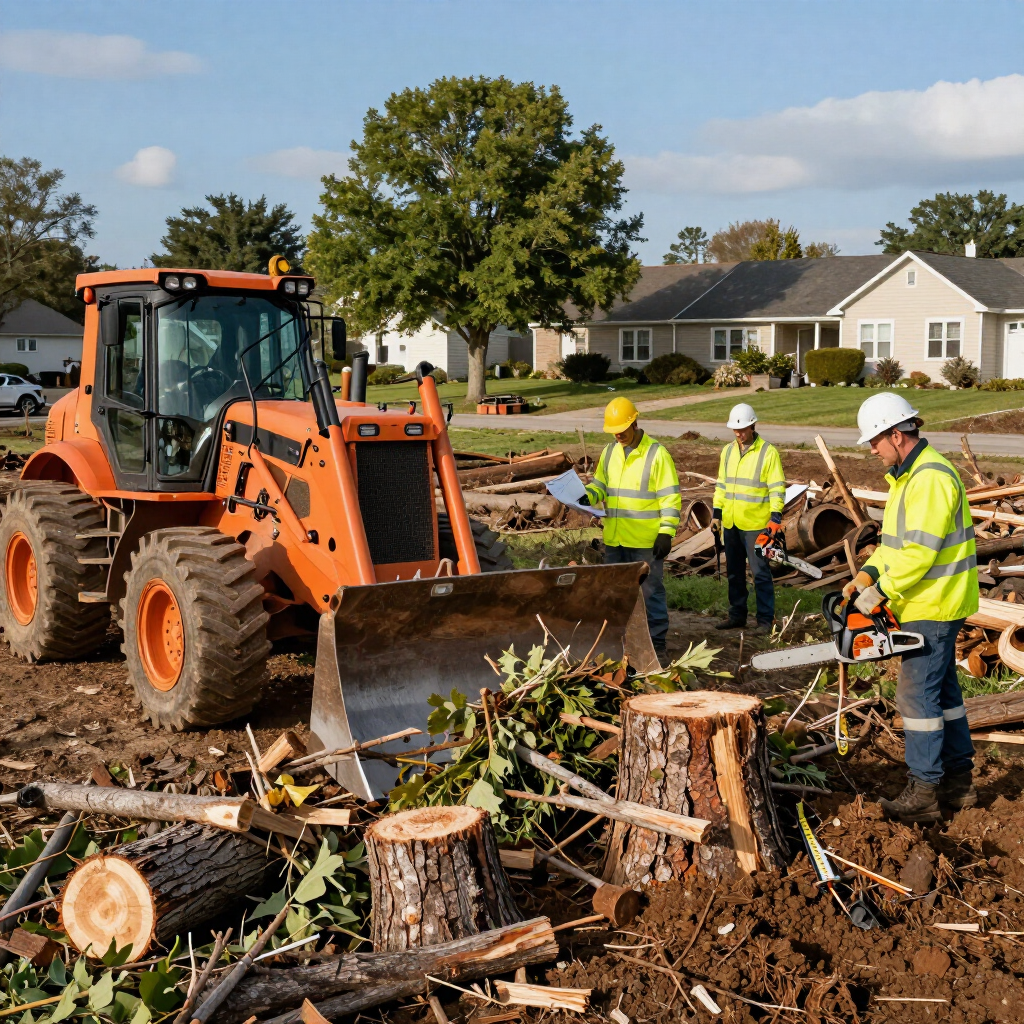
Licensed tree companies invest in equipment designed specifically for safe tree work.
Examples include:
- Bucket trucks
- Mini skid steers
- Crane services when needed
- Commercial stump grinders
- Industrial wood chippers
- Professional climbing systems
Using proper equipment reduces:
- Property damage
- Lawn damage
- Worker injuries
- Job completion time
It also allows difficult removals to be completed safely.
Safety Training Protects Everyone
Professional crews receive ongoing safety training.
Topics include:
- Proper climbing techniques
- Chainsaw safety
- Rigging procedures
- Electrical hazard awareness
- Emergency response
- Equipment inspection
- Weather assessment
This training allows crews to recognize hazards before accidents occur.
Why Experience Matters
Tree removal is not simply cutting wood.
Every project requires evaluating:
- Tree species
- Tree health
- Weight distribution
- Wind direction
- Lean angle
- Root stability
- Nearby structures
- Utility lines
- Escape routes
Experienced professionals understand how different species behave during removal.
For example:
- Oak trees are extremely dense and heavy.
- Silver maples often contain hidden decay.
- Willows may split unexpectedly.
- Pine trees carry different weight distribution than hardwood species.
- Experience helps prevent costly mistakes.
Questions Every Homeowner Should Ask
Before hiring a tree company, ask:
- Are you fully licensed?
- Are you insured?
- Can you provide proof of insurance?
- Is workers' compensation included?
- Who performs the work?
- Do you own your equipment?
- Is cleanup included?
- Will stump grinding be included?
- How long have you been serving this area?
Professional companies expect these questions and should answer them confidently.
Why Local Companies Offer Additional Advantages
Choosing a local company offers benefits beyond convenience.
Local professionals understand:
- Michigan tree species
- Seasonal weather patterns
- Local soil conditions
- Municipal requirements
- Permit processes
- Storm damage common to the area
They also rely on their reputation within the community, making customer satisfaction a top priority.
Why Family-Owned Companies Often Stand Out
Family-owned businesses often build their reputation over many years by providing consistent service.
Customers frequently appreciate:
- Personalized communication
- Honest recommendations
- Reliable scheduling
- Long-term relationships
- Accountability
Instead of treating customers like job numbers, family-owned businesses often focus on building trust within their communities.
The Value of Written Estimates
Professional companies provide detailed written estimates outlining:
- Scope of work
- Cleanup
- Stump grinding options
- Estimated completion time
- Total project cost
Written estimates reduce misunderstandings and help homeowners compare companies fairly.
Avoid Door-to-Door Tree Contractors
After severe storms, homeowners are sometimes approached by contractors offering immediate tree removal at unusually low prices.
Exercise caution if someone:
- Arrives uninvited
- Demands immediate payment
- Requests full payment upfront
- Cannot provide proof of insurance
- Has no local address
- Refuses to provide references
Reputable companies build their business through quality work and customer referrals rather than high-pressure sales tactics.
Investing in Professional Tree Care Saves Money
Hiring an experienced, insured company may cost slightly more initially, but it often saves money over time.
Professional work reduces the likelihood of:
- Property damage
- Repeat repairs
- Improper pruning
- Emergency removals
- Liability claims
Quality workmanship protects both your landscape and your investment.
Frequently Asked Questions
Why is insurance so important for tree removal?
Tree removal involves significant risks, including falling limbs, heavy equipment, and climbing at height. Insurance protects homeowners if accidental property damage or worker injuries occur.
Should I ask for proof of insurance?
Yes. Any professional tree service should be willing to provide proof of current liability and workers' compensation insurance.
Is the lowest estimate usually the best choice?
Not always. Extremely low estimates may indicate inadequate insurance, limited experience, or incomplete services. It's important to compare what is included in each proposal rather than looking only at price.
Does hiring an insured company guarantee there won't be damage?
No company can guarantee that accidents will never happen. However, hiring a properly insured company ensures there is financial protection if an unexpected incident occurs.
Choose Experience, Professionalism, and Peace of Mind
Tree care is an investment in both the beauty and safety of your property. Choosing a licensed and insured tree service gives you confidence that the work will be completed by trained professionals who prioritize safety, quality, and customer satisfaction.
Family Tree Removal proudly serves homeowners throughout Shelby Township, Macomb Township, Utica, Sterling Heights, Rochester Hills, and surrounding communities. As a fully licensed and insured family-owned business, we provide professional tree removal, tree trimming, stump grinding, lot clearing, and emergency tree services with honest recommendations, transparent pricing, and complete site cleanup.
Whether you need a single tree removed or ongoing property maintenance, our experienced team is committed to delivering reliable service and workmanship you can trust.