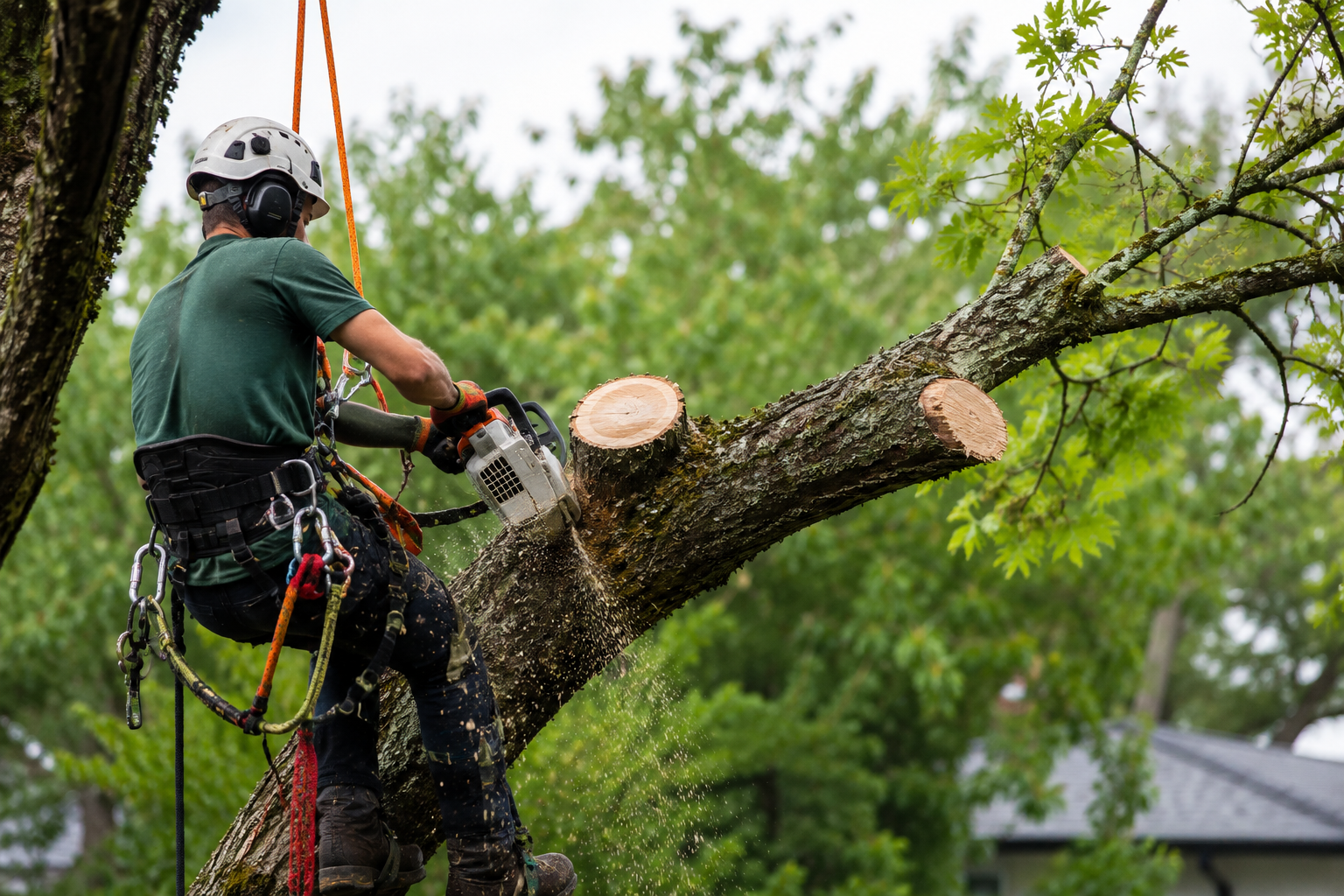
The Benefits of Regular Tree Inspections for Homeowners
The Benefits of Regular Tree Inspections for Homeowners
Trees are one of the most valuable features of any residential property. Mature trees provide shade, improve curb appeal, increase privacy, reduce noise, support local wildlife, and can even increase property value. However, like any living part of your landscape, trees require regular care and attention to remain healthy and safe.
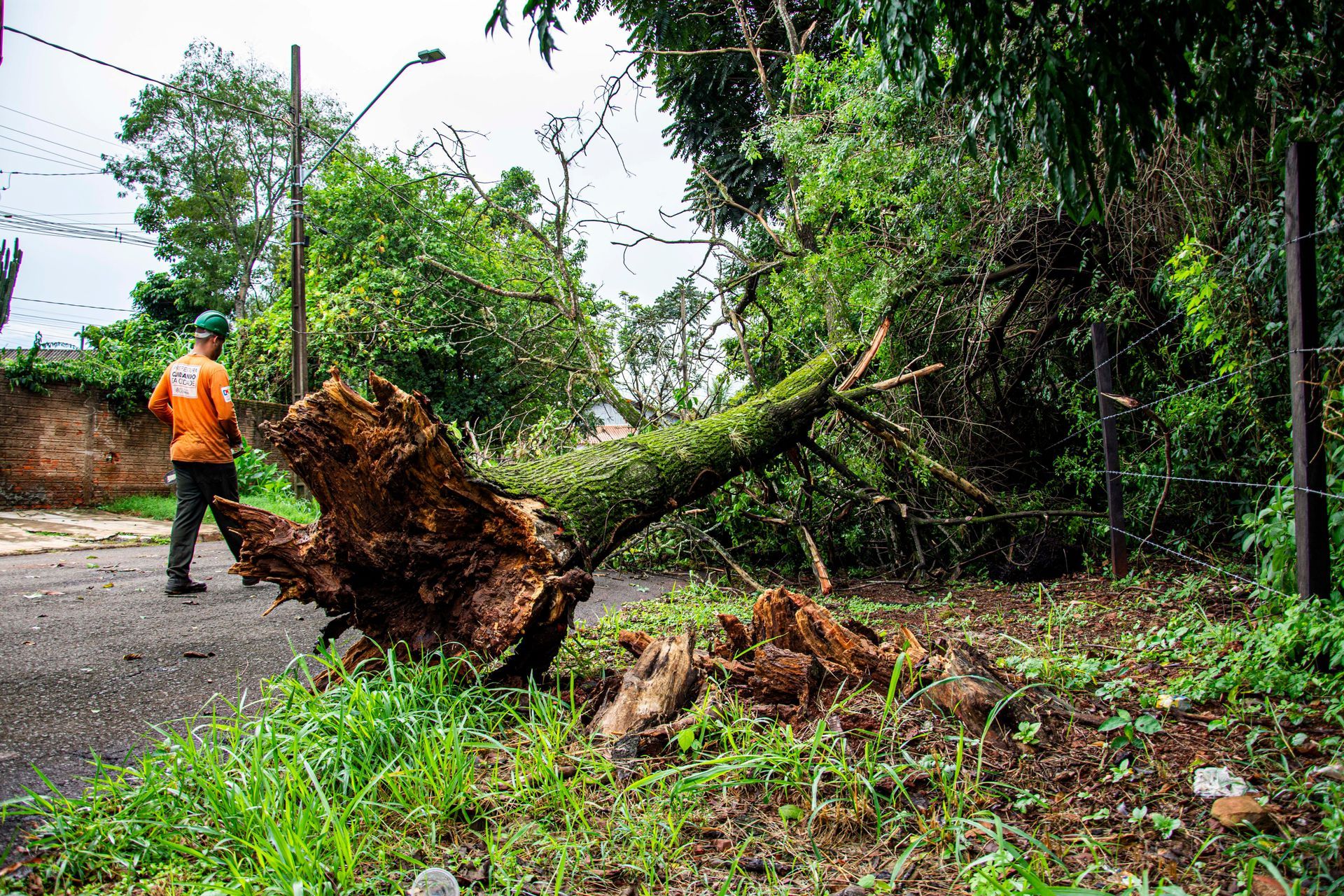
Many homeowners only think about their trees after a storm has caused damage or when a branch suddenly falls into the yard. Unfortunately, by that point, what may have started as a small issue has often developed into a much larger and more expensive problem.
Routine tree inspections are one of the most effective ways to maintain healthy trees while protecting your home, family, and investment. A professional inspection can identify disease, decay, structural weaknesses, pest infestations, and storm damage long before these issues become dangerous.
In this guide, we'll explain why regular tree inspections are important, what happens during an inspection, how often your trees should be evaluated, and why preventative care almost always costs less than emergency tree removal.
Trees Change Every Year
Unlike fences, driveways, or patios, trees are constantly changing.
Each growing season brings new growth, while every winter exposes trees to freezing temperatures, heavy snow, ice accumulation, and strong winds. Over time, these seasonal changes can affect the health and structural stability of even the strongest trees.
A tree that appeared perfectly healthy last year may develop significant problems after one particularly severe storm or harsh winter.
Regular inspections allow these changes to be identified early.
Many Tree Problems Begin Inside the Tree
One of the biggest misconceptions homeowners have is that unhealthy trees always look unhealthy.
In reality, many serious problems begin inside the tree long before external symptoms appear.
Examples include:
- Internal decay
- Hollow trunks
- Root deterioration
- Insect damage
- Fungal infections
- Structural cracks
A tree may still produce a full canopy of green leaves while its internal wood continues to weaken.
Professional inspections help identify these hidden problems before failure occurs.
Early Detection Saves Money
Most tree problems become more expensive when ignored.
For example:
A small dead branch can often be removed during routine pruning.
If left untreated, that same branch may eventually fall during a storm, damaging your roof or vehicle.
Similarly, a tree with early signs of disease may be treated or monitored before complete removal becomes necessary.
Preventative maintenance is almost always more affordable than emergency repairs.
Protecting Your Home During Storm Season
Michigan experiences a wide variety of severe weather throughout the year.
Homeowners regularly deal with:
- High winds
- Thunderstorms
- Ice storms
- Heavy snowfall
- Tornado warnings
- Freezing rain
Storms place tremendous stress on trees.
Weak branches, decayed trunks, and damaged root systems become much more likely to fail during severe weather.
An annual inspection before storm season can identify trees that require pruning or removal before they become emergency situations.
Identifying Dead Branches
Dead branches are one of the most common hazards found during inspections.
These branches:
- Become brittle over time
- Break easily
- Fall unexpectedly
- Damage roofs, vehicles, fences, and landscaping
Dead limbs also increase the likelihood of injury to anyone walking beneath the tree.
Removing dead branches during routine maintenance greatly reduces these risks.
Detecting Disease Early
Tree diseases are common throughout Michigan.
Some of the most frequently encountered diseases include:
- Oak wilt
- Dutch elm disease
- Anthracnose
- Fire blight
- Apple scab
- Root rot
Many diseases spread slowly during the early stages.
A professional inspection can often identify subtle symptoms before homeowners notice obvious decline.
Early identification may allow treatment or reduce the spread to nearby trees.
Finding Insect Problems Before Major Damage Occurs
Several insects threaten Michigan trees every year.
Examples include:
- Emerald ash borer
- Japanese beetles
- Carpenter ants
- Bark beetles
- Aphids
- Scale insects
Many insects spend months feeding beneath bark before visible symptoms appear.
Signs professionals look for include:
- Tiny exit holes
- Sawdust accumulation
- Loose bark
- Woodpecker activity
- Dieback in the canopy
Detecting infestations early often reduces long-term damage.
Evaluating Tree Structure
Not every hazard is related to disease.
Many inspections focus on structural defects.
These include:
- Leaning trees
- Multiple trunks
- Included bark
- Weak branch attachments
- Heavy canopy imbalance
- Large cracks
- Root instability
Structural issues increase the likelihood of tree failure even when the tree appears healthy.
Checking Root Health
Roots are impossible to inspect completely without excavation, but experienced professionals know how to identify warning signs.
They look for:
- Soil movement
- Root plate lifting
- Surface root damage
- Construction impacts
- Fungal growth
- Drainage issues
Healthy roots provide the foundation for every healthy tree.
Monitoring Tree Growth
Trees continue growing throughout their lives.
During inspections, professionals evaluate whether growth is occurring normally.
This includes checking:
- Annual branch growth
- Leaf size
- Crown density
- Canopy balance
- New shoots
- Overall vigor
Slow or uneven growth often indicates developing health problems.
Protecting Nearby Structures
One of the primary goals of tree inspections is protecting nearby property.
Trees growing close to homes require careful monitoring.
Professionals evaluate branches extending over:
- Roofs
- Garages
- Decks
- Fences
- Driveways
- Pools
- Play areas
Pruning these branches before they fail helps prevent expensive repairs.
Identifying Trees That Need Pruning
Not every tree with a problem requires removal.
Many simply benefit from proper pruning.
Routine pruning may include:
- Removing dead branches
- Eliminating crossing limbs
- Improving airflow
- Reducing canopy weight
- Raising low branches
- Improving structure
Strategic pruning often extends the life of mature trees while reducing future maintenance needs.
Helping New Trees Establish Proper Structure
Young trees benefit tremendously from inspections.
Early pruning encourages:
- Strong branch spacing
- Balanced growth
- Healthy trunk development
- Reduced future defects
Correcting structural issues while trees are young is much easier than trying to fix mature trees decades later.
Seasonal Tree Inspections
Different seasons reveal different problems.
Spring
Professionals inspect for:
- Winter damage
- Bud development
- New growth
- Disease symptoms
- Broken limbs
Summer
Focus areas include:
- Pest activity
- Leaf health
- Drought stress
- Storm damage
Fall
Inspections evaluate:
- Structural defects
- Deadwood
- Root stability
- Preparation for winter
Winter
Dormant trees reveal branch structure clearly, making winter an excellent time for evaluating overall form and planning pruning.
When Should Trees Be Inspected?
Most residential properties benefit from an annual inspection.
Additional inspections are recommended:
- After severe storms
- Before buying a home
- Following nearby construction
- If a tree begins leaning
- When large branches die
- If mushrooms appear around the trunk
- When cracks develop
Older trees should generally be inspected more frequently than newly planted trees.
Trees That Need More Frequent Monitoring
Certain trees deserve additional attention.
These include:
- Large shade trees
- Trees overhanging homes
- Trees near power lines
- Fast-growing species
- Previously damaged trees
- Trees with known disease history
Regular monitoring helps identify gradual changes that might otherwise go unnoticed.
The Cost of Ignoring Tree Problems
Ignoring tree maintenance can lead to:
- Emergency removals
- Roof repairs
- Vehicle damage
- Fence replacement
- Insurance claims
- Landscape restoration
- Utility interruptions
Many of these expenses far exceed the cost of routine inspections and preventative care.
What Happens During a Professional Tree Inspection?
A professional inspection typically includes:
Visual assessment of the entire tree.
Evaluation of:
- Root flare
- Trunk condition
- Branch attachments
- Canopy density
- Leaf health
- Structural defects
- Evidence of disease
- Insect activity
The inspection concludes with recommendations for:
- Monitoring
- Pruning
- Cabling
- Treatment
- Removal if necessary
Homeowners receive honest guidance based on the tree's condition rather than unnecessary recommendations.
Why Local Knowledge Matters
Michigan's climate creates unique challenges for trees.
Professionals familiar with Shelby Township understand:
- Common local tree species
- Soil conditions
- Typical weather patterns
- Regional diseases
- Seasonal pest activity
This local knowledge leads to more accurate assessments and practical recommendations.
Frequently Asked Questions
How often should mature trees be inspected?
Most mature residential trees should be professionally inspected once every year. Trees near homes or those showing signs of decline may require more frequent evaluations.
Can inspections prevent emergency tree removal?
While no inspection can eliminate every risk, regular evaluations greatly reduce the likelihood of unexpected failures by identifying problems early.
Do healthy-looking trees still need inspections?
Yes. Many serious structural and disease issues begin inside the tree and cannot be identified by leaf appearance alone.
Is an inspection necessary after a major storm?
Yes. Strong winds, lightning, ice, and heavy snow can weaken trees without creating immediately visible damage. A post-storm inspection helps identify hidden hazards.
Protecting Your Trees Starts with Regular Inspections
Healthy, well-maintained trees are one of the greatest assets a homeowner can have. They provide beauty, shade, privacy, and long-term value, but they also require ongoing care to remain safe.
Routine inspections help identify potential problems before they become emergencies, allowing homeowners to make informed decisions about pruning, treatment, or removal. Investing in preventative tree care today can help avoid unexpected damage, costly repairs, and unnecessary stress in the future.
Family Tree Removal proudly provides professional tree inspections, tree trimming, tree removal, stump grinding, lot clearing, and emergency tree services throughout Shelby Township, Macomb Township, Utica, Sterling Heights, Rochester Hills, and surrounding communities. Our experienced team is committed to helping homeowners maintain healthy, safe, and attractive landscapes through every season.