Tree Removal Case Study: Large Oak Near a Home in Shelby Township
Tree Removal Case Study: Large Oak Near a Home in Shelby Township
When homeowners face the challenge of a large, aging tree near their house, safety and peace of mind become top priorities. At Family Tree Removal, we routinely handle high-risk tree removal projects across Shelby Township, and we recently completed a textbook example: removing a mature oak tree just eight feet from a residential home.
In this case study, we’ll walk you through the situation, the risks involved, the step-by-step removal process, and the outcome. If you’re dealing with a large tree close to your home, this real-world example will help you understand what to expect from a professional removal service.
The Situation: A Large Oak Tree Too Close to Home
In early spring, we received a call from a homeowner on the east side of Shelby Township. Their concern: a massive red oak that stood just a few feet from the corner of their home. The tree had:
- A trunk diameter of approximately
38 inches
- A height estimated at over
75 feet
- Major limbs extending over the house roof
- Signs of
rot near the base
- Branches that frequently dropped debris during storms
The homeowner had noticed increased leaning over the past year, and after a spring windstorm caused several large limbs to fall, they decided it was time to take action.
The Challenges of the Project
This was not a basic backyard tree job. The oak’s location, condition, and size presented several challenges:
1. Proximity to Structures
With less than 10 feet between the tree and the home, precision was critical. One wrong move could damage the roof, siding, or foundation.
2. Limited Access
The backyard had a narrow gate and multiple landscaping features, meaning we couldn’t bring in large equipment without risk of lawn or fence damage.
3. Tree Health Concerns
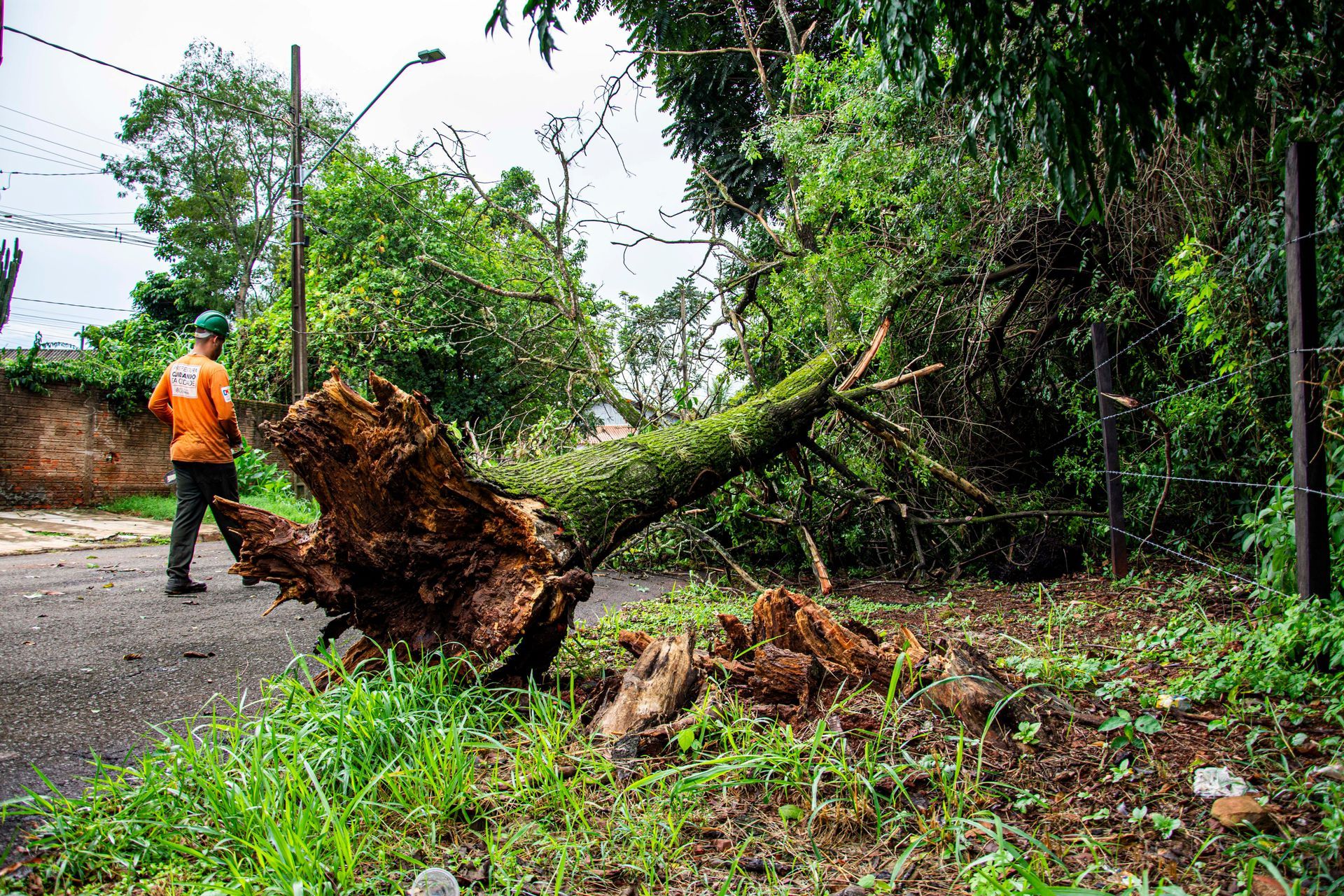
Rot at the base indicated internal decay, making traditional felling methods dangerous. Rotted trees can break unpredictably during cutting if not properly secured.
4. Overhead Utility Lines
There were overhead utility lines nearby, adding complexity to the rigging process. We coordinated with the utility provider to ensure safe clearance.
Step-by-Step Removal Process
Here’s how we safely and efficiently removed the large oak tree:
Initial Inspection and Planning
We began with a full on-site evaluation. This included:
- Assessing tree lean, branch weight, and structural condition
- Reviewing nearby obstacles (roof, landscaping, fencing)
- Planning a
sectional takedown using ropes and rigging
We explained the process and provided a transparent estimate. The homeowner approved, and we scheduled the job for later that week.
Safety Setup
Before cutting, our team:
- Set up
roped fall zones and safety barriers
- Laid down protective mats to avoid turf damage
- Inspected all climbing and rigging gear
- Checked wind and weather conditions
Sectional Limb Removal
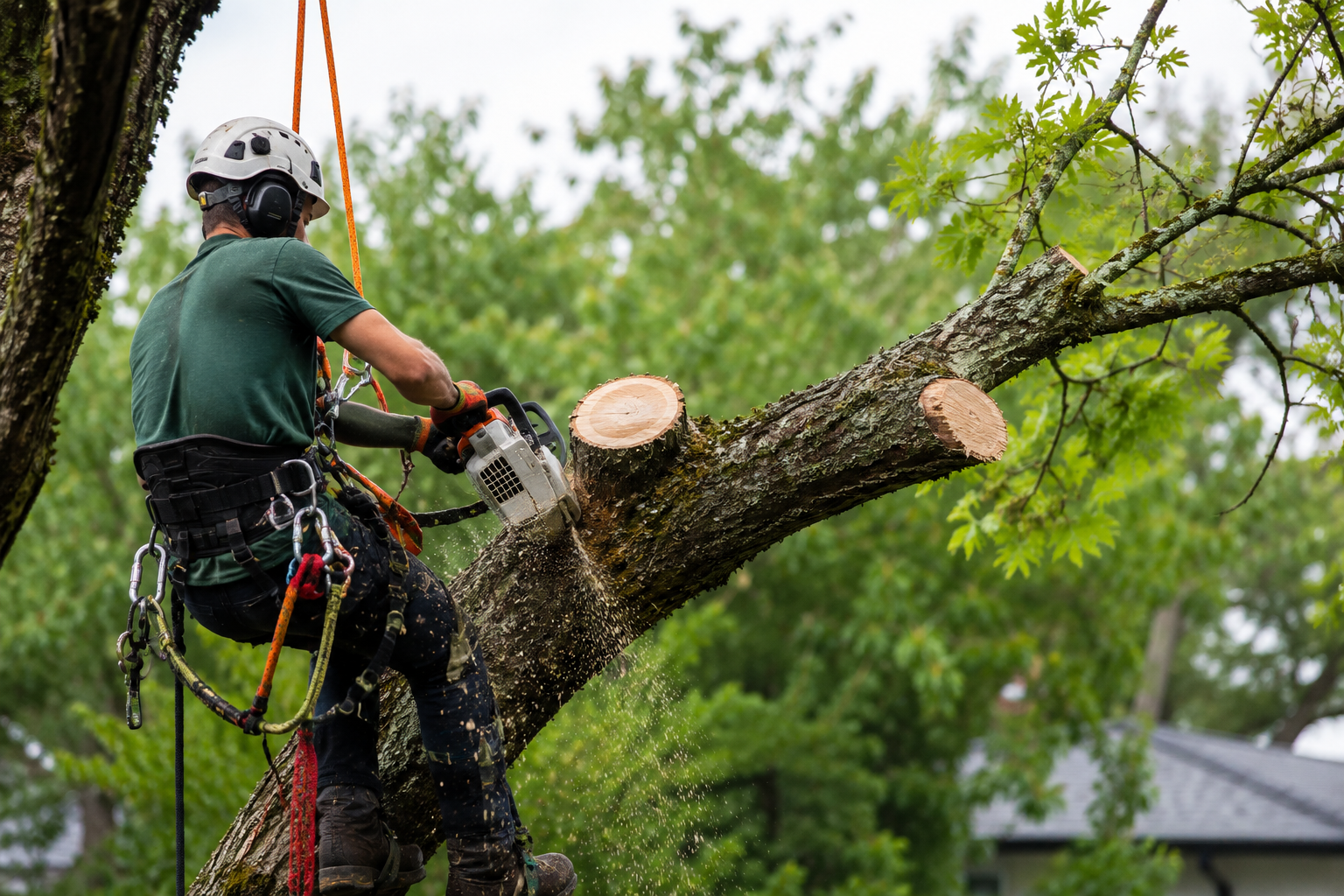
Starting from the top, we used a certified climber to access the upper canopy. Limbs overhanging the roof were rigged and lowered piece by piece to avoid impact. Each branch was tied off, cut, and slowly lowered by ground crew using a friction brake system.
Trunk Takedown
Once the limbs were cleared, we cut the trunk into manageable sections from top to bottom. The decayed base was handled last with extra support to prevent unexpected collapse.
Final Cleanup
After removal, we:
- Hauled all logs and brush off-site
- Raked the entire yard to remove debris
- Used a
stump grinder to eliminate the remaining base
- Spread topsoil and seed to restore the lawn
Results and Homeowner Feedback
The entire job was completed in under 8 hours, with zero damage to the house, lawn, or surrounding property.
The homeowner said:
“We were really nervous about this tree falling on the house, especially during storms. Family Tree Removal was professional, thorough, and took every precaution. We couldn’t be happier with the results.”
They later shared before-and-after photos and a five-star review on our Facebook page.
Lessons from This Project
If you have a large tree near your home, this project highlights a few important takeaways:
- Rot at the base is a red flag. Even healthy-looking trees can be structurally unsafe if decay is present below ground or in the trunk.
- Close-proximity tree removal is not a DIY job. Specialized skills and equipment are required to protect surrounding structures.
- Sectional takedown is the safest method. Trying to fell a large tree in one cut near a home is never recommended.
Hire local experts with experience in Michigan trees. We understand the weather patterns, soil conditions, and tree species common in Shelby Township.
Frequently Asked Questions
How close can a tree be to my house before it becomes a problem?
Generally, if a tree is less than 10 to 15 feet from your foundation, you should have it inspected. Large root systems can impact foundations, plumbing, and sidewalks, while overhanging limbs present storm hazards.
Can you remove large trees without damaging the yard?
Yes. We use protective mats, controlled rigging, and careful planning to prevent lawn and landscape damage. Every job includes full cleanup and debris hauling.
How do I know if my tree is rotting?
Signs of decay include mushrooms or fungus near the base, hollow sounds when tapping the trunk, peeling bark, or visible cavities. If you're unsure, schedule a free inspection.
Will your team handle stump grinding too?
Yes. We offer full stump grinding after tree removal, and we can include that in your estimate. We’ll also fill in the area and seed the ground for a clean finish.
Call Today for a Free Tree Inspection in Shelby Township
Have a large tree near your house that’s causing concern? Don’t wait until the next storm causes damage. Let our experienced crew assess your tree and recommend a safe, affordable removal plan.
- Fully licensed and insured
- Over a decade of experience in Macomb County
- Precision equipment and trained climbers
- Same-day or next-day service available
- Stump grinding and yard restoration included
Call
(586) 383-0655 or email
familytreeremoval@hotmail.com to schedule a no-obligation site visit.